
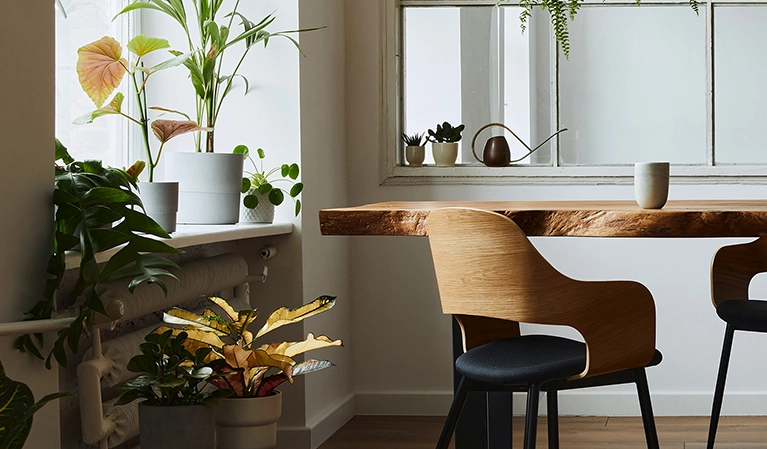

Modern interior design has evolved beyond basic aesthetics and functional floor plans. Today, living environments are increasingly curated to support emotional balance, physical health, and a deeper connection to nature. The integration of living greenery, commonly known as biophilic design, is one of the most effective and accessible ways to enrich the indoor atmosphere.
Plants provide dynamic visual texture that synthetic decor simply cannot replicate. At the same time, their biological presence offers tangible physiological and psychological benefits, turning standard rooms into vibrant, restorative retreats. Understanding the symbiotic relationship between living botanicals, spatial aesthetics, and holistic wellness enables homeowners to design spaces that are visually captivating and fundamentally healthy.
The Aesthetic Value of Biophilic Design
In modern interior architecture, rooms often consist of rigid right angles, smooth drywall, glass windows, and manufactured furniture. While sleek, these elements can leave a room feeling flat, stiff, or sterile. Indoor plants introduce fluid, organic forms that break up repetitive architectural lines and infuse rooms with vibrant energy.
Softening Hard Lines and Architectural Angles
Natural foliage brings soft contours and varied textures into hard-edged spaces. Placing a tall, slender plant next to a sharp rectangular bookshelf or positioning a cascading vine along the edge of a minimalist mantelpiece blurs rigid visual boundaries. This contrast introduces an effortless balance that helps rooms feel more organic and inviting.
Introducing Dynamic Texture and Natural Color
Unlike static wall art or fixed upholstery, plants grow, change, and interact with ambient lighting throughout the day. Their broad leaves, intricate fronds, and rich variations of green add depth that complements neutral palettes.
-
Glossy broad leaves: Species like the Fiddle Leaf Fig or Rubber Tree offer bold, architectural profiles that command attention in living rooms and entryways.
-
Feathery fronds: Ferns and Kentia palms diffuse sunlight and create delicate, dappled shadows across walls and floors.
-
Trailing vines: Varieties such as English Ivy and Heartleaf Philodendron draw the eye along horizontal shelves and vertical hanging planters, adding multidimensional movement.
Strategic Plant Placement for Spatial Balance
Using plants as interior decor requires deliberate planning. Plants should not be treated as random afterthoughts crowded onto available surfaces. Instead, they should function as intentional compositional elements that enhance proportion, scale, and room zoning.
Creating Living Focal Points
A single, large specimen plant can anchor a room just as effectively as a piece of fine art or a designer accent chair. Placing a mature indoor tree in an underutilized corner draws the eye into the space and establishes vertical scale. To maximize this visual impact, pair the plant with a substantial ceramic, terra cotta, or fluted concrete planter that complements the primary color palette of your interior.
Defining Zones in Open Layouts
In expansive, open-concept floor plans, dividing space without constructing physical partitions can be challenging. Groupings of mid-sized plants, such as Snake Plants or ZZ Plants, can be arranged in low troughs or linear plant stands to act as natural space dividers. This technique subtly separates dining zones from living areas while maintaining an open, unobstructed sightline.
Layering Heights and Vertical Displays
Relying solely on floor planters creates an uneven distribution of visual weight. Balanced styling requires layering greenery across multiple vertical planes:
-
Floor level: Large architectural trees and wide bushy shrubs anchor open corners.
-
Mid-level surfaces: Potted succulents, Peperomias, and Pothos sit comfortably on coffee tables, credenzas, and kitchen counters.
-
Eye level and ceiling: Wall-mounted propagation tubes, vertical plant walls, and suspended macrame hangers draw the gaze upward, making low ceilings appear taller.
The Psychological and Cognitive Wellness Benefits
The human drive to connect with natural life systems is deeply rooted. Spending extended periods in sterile, built environments cut off from nature can contribute to sensory deprivation, mental fatigue, and elevated stress. Integrating plants into interior spaces produces documented psychological advantages that promote sustained well-being.
Stress Reduction and Mood Enhancement
Visual contact with natural greenery triggers an involuntary relaxation response within the human nervous system. Studies in environmental psychology demonstrate that viewing plants lowers blood pressure, stabilizes heart rates, and decreases cortisol levels. The simple presence of botanical life softens cognitive overload, creating a calming sanctuary away from digital screens and urban noise.
Boosting Focus and Daily Productivity
Introducing plants to home offices and study spaces noticeably sharpens mental clarity. The gentle fascination that natural foliage provides allows the brain to rest its direct attentional mechanisms without losing alertness. This visual recovery translates to improved concentration, reduced cognitive fatigue, higher creative output, and greater overall productivity during long working sessions.
Physical Health and Indoor Air Quality
Beyond psychological comfort, indoor botanicals play an active physical role in improving the quality of the immediate living environment. Modern energy-efficient homes are sealed tightly, which can unintentionally trap indoor air pollutants, volatile organic compounds, and dry air inside living spaces.
Natural Humidity Regulation
Central heating and air conditioning systems often strip indoor air of natural moisture, leading to dry skin, irritated sinuses, and respiratory discomfort. Plants release roughly ninety-seven percent of the water they take in through the biological processes of transpiration and evaporation. By grouping plants together, you create microclimates that raise ambient humidity to comfortable, healthy levels naturally, without the need for noisy mechanical humidifiers.
Toxin Absorption and Air Purification
Everyday household materials, including synthetic carpets, paints, cleaning solvents, and pressed-wood furniture, continuously off-gas volatile compounds such as formaldehyde, benzene, and trichloroethylene. Plants absorb these airborne particulates through the stomata on their leaves. Beneficial microorganisms dwelling within the plant root system then break down and neutralize these toxins, gradually cleansing the indoor atmosphere.
Curating the Right Plants for Different Rooms
To ensure both plant longevity and aesthetic coherence, select specific plant species tailored to the functional demands and environmental conditions of each room.
The Living Room: Bold and Welcoming
As the central gathering space, the living room benefits from large, sculptural plants that create a sense of grandeur and calm. Bird of Paradise, Monstera Deliciosa, and Ficus Audrey thrive in bright, indirect light, offering substantial foliage that fills empty spaces with rich green tones.
The Bedroom: Calming and Restorative
Bedrooms require clean, low-maintenance plants that encourage deep rest and undisturbed sleep. Snake Plants and Aloe Vera are exceptional choices because they continue to release oxygen at night through crassulacean acid metabolism. Their upright, structured silhouettes also bring a neat, clutter-free appearance to bedside tables and dressers.
The Bathroom: Lush and Humid
Bathrooms provide the high humidity and fluctuating temperatures that tropical understory plants love. Boston Ferns, Calatheas, and Cast Iron Plants thrive in moist conditions and tolerate the lower, diffused lighting typical of bathroom windows.
The Kitchen: Functional and Fresh
Kitchens serve as hubs of activity and benefit from practical, sensory greenery. A dedicated sunny windowsill lined with culinary herbs such as basil, rosemary, thyme, and mint provides a continuous supply of fresh ingredients while filling the room with natural, uplifting scents.
Frequently Asked Questions
How do I prevent indoor plant soil from attracting fungus gnats?
Fungus gnats thrive in constantly moist topsoil. Allow the top two inches of potting soil to dry out completely between waterings, and ensure all containers have functional drainage holes. Top-dressing your soil with a half-inch layer of coarse horticultural sand, fine gravel, or pumice also creates a dry barrier that stops adult gnats from laying eggs.
Which indoor plants are completely safe to keep around pets?
Non-toxic plant species for households with cats and dogs include the Boston Fern, Spider Plant, Parlor Palm, Peperomia varieties, Calathea, and various Haworthia succulents. Always verify plant safety through veterinary resources before bringing new botanicals into a home with animals.
How do you choose the right planter size when repotting a plant?
Select a new container that is only one to two inches larger in diameter for small plants, or two to three inches larger for mature, floor-standing specimens. Choosing an oversized pot retains excess water in the unused soil volume, which can quickly lead to root rot from poor aeration.
What is the best way to clean dust off large indoor plant leaves?
Wipe broad foliage gently using a soft microfiber cloth dampened with lukewarm water every few weeks. Keeping leaves clean allows the plant to absorb sunlight efficiently for photosynthesis and transpiration while maintaining a glossy, vibrant presentation. Avoid using commercial chemical leaf-shine products, which can clog leaf pores.
Can indoor plants survive and thrive in windowless rooms?
Yes, plants can thrive in spaces lacking natural sunlight if you provide artificial full-spectrum LED grow lights. These specialized bulbs can be fitted into standard decorative pendant fixtures, floor lamps, or recessed ceiling sockets, allowing you to grow lush foliage in windowless basements, interior hallways, or powder rooms.
How does grouping multiple plants together benefit their health?
Grouping plants creates a collective microclimate through combined transpiration. As the plants release water vapor into the surrounding air, the local humidity rises, keeping delicate tropical foliage lush while preventing leaf tips from turning brown and brittle.
What are the common signs that an indoor plant is receiving too much water?
Overwatering typically manifests as yellowing lower leaves, soft or mushy stems near the soil line, a persistent sour smell from the soil, and leaf drop despite the potting mix remaining wet. If left uncorrected, excess moisture deprives the roots of oxygen and leads to fungal root decay.

Comments are closed.