
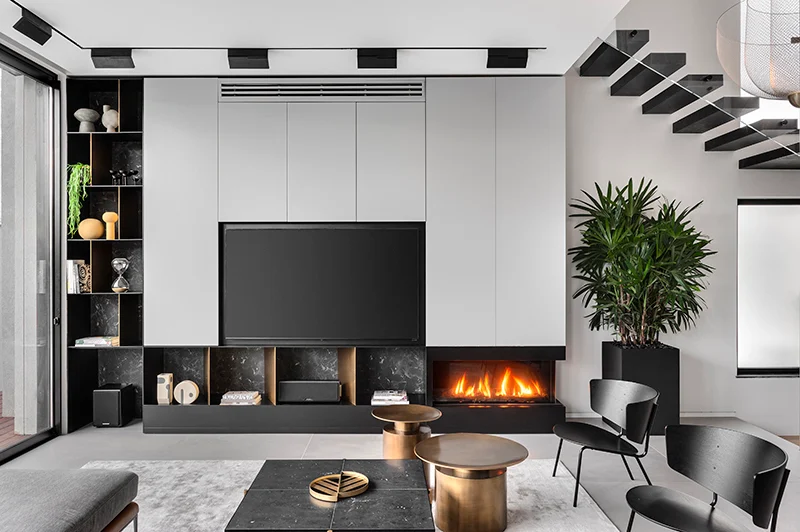

Interior design is more than decorating a space. It is the art and science of enhancing interiors to achieve a healthier, aesthetically pleasing, and functional environment. Good interior design integrates architecture, psychology, lighting, furniture, materials, and personal taste into a cohesive experience that reflects both style and practicality. From residential homes to corporate offices, interior design shapes how people feel, interact, and perform within a space.
The Importance of Interior Design
The impact of interior design goes beyond visual appeal. It influences mood, productivity, comfort, and even health. Thoughtfully designed spaces can foster creativity, reduce stress, and improve overall quality of life.
Key Benefits of Expert Interior Design
- Functionality: Interior design ensures that spaces are organized and tailored to the occupants’ needs. Efficient layouts improve movement, usability, and accessibility.
- Aesthetic Appeal: The careful selection of colors, textures, furniture, and décor creates harmony and visual balance.
- Psychological Well-Being: Color psychology, natural light, and spatial planning can boost mood, reduce anxiety, and enhance mental clarity.
- Property Value: Professionally designed interiors can increase market value and attract potential buyers or tenants.
- Sustainability: Incorporating energy-efficient solutions, eco-friendly materials, and sustainable practices reduces environmental impact.
Key Principles of Interior Design
Mastering interior design requires understanding its fundamental principles, which guide decisions on layout, décor, and material selection.
Balance and Symmetry
Balance refers to the distribution of visual weight in a room. There are three types of balance:
- Symmetrical Balance: Mirrors objects on either side of a central axis, creating harmony and formality.
- Asymmetrical Balance: Achieves equilibrium through different elements that complement each other, offering a dynamic and modern feel.
- Radial Balance: Arranges elements around a central point, common in circular spaces or round furniture arrangements.
Proportion and Scale
Proportion ensures that objects relate well in size to the space and to each other, while scale refers to the overall size of objects relative to the room. Oversized furniture in a small room can feel overwhelming, whereas tiny pieces in a large space may appear lost.
Color Theory
Colors affect mood and perception. Designers use color strategically to evoke specific feelings or define zones:
- Warm Colors: Red, orange, and yellow evoke energy, excitement, and warmth.
- Cool Colors: Blue, green, and purple create calmness, serenity, and focus.
- Neutral Colors: Whites, grays, and beiges serve as a versatile backdrop for other elements.
- Accent Colors: Vibrant shades draw attention and highlight specific areas or features.
Lighting
Lighting plays a critical role in interior design, affecting both aesthetics and functionality.
- Ambient Lighting: General illumination for the entire space.
- Task Lighting: Focused light for activities like reading, cooking, or working.
- Accent Lighting: Highlights architectural features, artwork, or décor elements.
- Natural Light: Maximizing sunlight improves well-being and reduces energy costs.
Texture and Materials
Texture adds depth, warmth, and tactile appeal. Combining smooth, rough, glossy, and matte surfaces creates visual interest. Materials like wood, metal, glass, stone, and textiles contribute to the overall sensory experience.
Rhythm and Harmony
Design elements should lead the eye smoothly through a space. Repetition, contrast, and gradation establish rhythm, while cohesion ensures harmony among colors, textures, and furnishings.
Types of Interior Design Styles
A well-designed space reflects personal taste while adhering to functional requirements. Understanding popular interior design styles helps in selecting elements that align with the vision of the space.
Modern Interior Design
- Characteristics: Clean lines, minimalistic furniture, neutral palettes, and open spaces.
- Materials: Glass, steel, concrete, and polished wood.
- Key Focus: Functionality and simplicity with uncluttered layouts.
Contemporary Interior Design
- Characteristics: Ever-evolving style reflecting current trends, often softer than modern design with curvilinear furniture.
- Colors: Neutral tones with bold accent colors.
- Key Focus: Flexibility, adaptability, and blend of comfort with sophistication.
Industrial Interior Design
- Characteristics: Raw, unfinished look with exposed beams, brick walls, and ductwork.
- Materials: Metal, concrete, reclaimed wood, and brick.
- Key Focus: Authenticity, durability, and a rugged aesthetic that blends vintage and modern elements.
Minimalist Interior Design
- Characteristics: “Less is more” philosophy, open spaces, minimal furnishings, and limited color palettes.
- Materials: Neutral materials, natural light, and simple textures.
- Key Focus: Creating calm, clutter-free spaces with intentional design choices.
Traditional Interior Design
- Characteristics: Classic design with ornate furniture, rich colors, and decorative details.
- Materials: Hardwood, velvet, silk, and intricate woodwork.
- Key Focus: Elegance, symmetry, and a sense of permanence and refinement.
Eclectic Interior Design
- Characteristics: Mix of styles, textures, and colors to create a unique, personalized space.
- Materials: Diverse materials from various eras and cultures.
- Key Focus: Creativity, individuality, and blending old with new.
Interior Design Process
Professional interior design follows a structured process to ensure the space meets functional, aesthetic, and budgetary requirements.
Step 1: Consultation and Concept Development
- Understand client needs, lifestyle, and preferences.
- Discuss budget, timeline, and desired outcomes.
- Develop initial concepts and mood boards.
Step 2: Space Planning
- Analyze room dimensions and architectural features.
- Determine furniture placement, circulation paths, and functional zones.
- Use 2D or 3D software for visualization.
Step 3: Material and Color Selection
- Choose flooring, wall finishes, fabrics, furniture, and accessories.
- Select color schemes based on natural light, room function, and design style.
Step 4: Design Detailing
- Specify lighting fixtures, cabinetry, hardware, and textiles.
- Ensure details align with ergonomics, safety, and aesthetics.
Step 5: Execution and Installation
- Coordinate contractors, suppliers, and tradespeople.
- Monitor project progress and quality control.
- Adjust design as needed while maintaining the original vision.
Step 6: Final Styling
- Add décor elements, artwork, and personal touches.
- Optimize spatial functionality and visual impact.
Interior Design for Different Spaces
Each room has unique functional and aesthetic requirements, influencing design decisions.
Residential Interior Design
- Living Rooms: Balance comfort and style, optimize natural light, incorporate seating arrangements for conversation.
- Bedrooms: Focus on relaxation, ergonomic furniture, calming color palettes, and soft textures.
- Kitchens: Functional layout, durable surfaces, and effective lighting for food preparation and social interactions.
- Bathrooms: Water-resistant materials, smart storage, and spa-like ambiance for comfort and hygiene.
Commercial Interior Design
- Offices: Encourage productivity and collaboration with ergonomic furniture, task lighting, and flexible layouts.
- Retail Spaces: Use visual merchandising, lighting, and flooring to enhance the customer experience.
- Hospitality: Hotels and restaurants require design that blends aesthetics, durability, and operational efficiency.
Sustainable Interior Design
Sustainability is increasingly a priority in interior design, balancing beauty with environmental responsibility.
- Energy Efficiency: LED lighting, passive ventilation, and natural light integration.
- Eco-Friendly Materials: Bamboo, reclaimed wood, recycled metal, and low-VOC paints.
- Waste Reduction: Reusing and repurposing furniture, cabinetry, and décor.
- Indoor Air Quality: Incorporating plants and using non-toxic finishes improves health and well-being.
Real-Life Tips for Successful Interior Design
- Start with a clear vision and mood board to guide decisions.
- Invest in timeless pieces for durability and versatility.
- Layer textures and materials to create depth and interest.
- Incorporate both natural and artificial lighting for balance.
- Consider multi-functional furniture for small spaces.
- Blend aesthetics with functionality; beauty alone is insufficient if a space is impractical.
Common Interior Design Mistakes
- Overcrowding spaces with furniture or décor.
- Ignoring lighting or relying solely on artificial light.
- Choosing color palettes without testing them in natural light.
- Neglecting ergonomics, comfort, and functionality.
- Overlooking long-term maintenance and durability of materials.
Conclusion
Interior design is a sophisticated discipline that combines art, science, and psychology to create spaces that are visually appealing, functional, and emotionally satisfying. From residential homes to commercial environments, effective interior design enhances lifestyle, well-being, and property value. By adhering to principles of balance, proportion, color, texture, and lighting, and carefully considering style, functionality, and sustainability, any space can be transformed into an environment that reflects personal taste and serves its intended purpose effectively.

Comments are closed.