
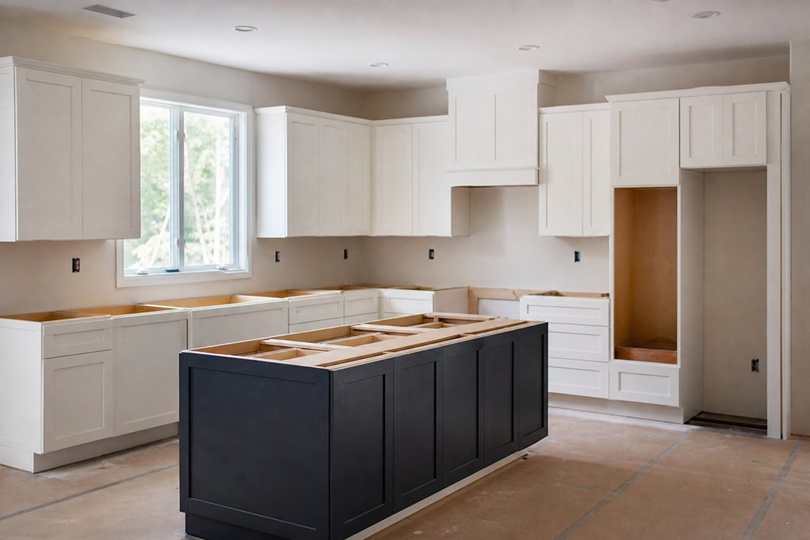

Kitchen remodeling and renovation
The answer to how long a kitchen remodel takes depends on the size of the remodel, how much needs to be done, and the products and fixtures ordered. However, on average, once you’ve made your kitchen remodel decisions, expect the remodel itself to take 10 to 16 weeks – a local look at how long a full kitchen remodel really takes in Davie puts this estimate in context. Here’s a closer look at each part of the process and how long each of those takes:
- Design, measurements, product choices: 2 to 5 weeks
- Permits/approvals (if required): 2 to 6 weeks
- Ordering cabinets, appliances, other products: 4 to 12 weeks
- Demolition/construction: 6 to 10 weeks
- Final installation, touch-up, inspections: 1 to 3 weeks
A Full Remodel Moves Through Distinct Stages
- Demo: This is where existing cabinets, appliances, flooring, and in some cases, portions of the drywall come down. This timeline varies, depending on the scope of work.
- Electrical, venting, plumbing, etc. changes: Electricians, plumbers, HVAC specialists, etc. are brought in to make sure there’s sufficient wiring and outlets in the right places. They’ll also make sure there’s proper gas and water lines for sinks, gas stoves, dishwashers, ice dispensers, etc. Once those are done, it’s common to have to wait for rough-in inspections before continuing.
- Rebuild: Once everything is inspected, walls can be patched, flooring laid, cabinets installed, countertops templated and ordered, backsplashes installed, paint applied, appliances brought in and hooked up, fixtures installed, trim pieces put back, etc. This is the part of the project that can take the longest because there are a lot of moving pieces that have to happen in the right order. For instance, your countertop company can’t come to template until base cabinets are installed and leveled. Then, the countertops have to be made and finished. That means that sinks and faucets, cooktops, dishwashers, ovens, etc. have to wait.
Davie Conditions Can Shift the Schedule
- Unexpected issues: Especially in older homes, it’s common for issues to arise when walls come down. You may find outdated wiring, water damage, mold, uneven studs, plumbing that isn’t up to code, etc. These can slow your remodel down as they’re inspected and addressed.
- Permits and inspections: Some remodels require permits and inspections (Wikipedia covers this at en.wikipedia.org/wiki/Building_permit). While your remodelers will factor those appointments into the schedule, timing can be unpredictable. Projects that require permits often include changes to the layout, structural changes, gas lines, plumbing, electrical work, etc.
- Weather: While kitchens are an interior project, bad weather can impact your remodel, especially when walls are open, there’s moisture damage, changes are made to your HVAC, etc. South Florida’s humid climate can be tricky to manage. Stormy weather also impacts delivery times.
Early Choices Determine the Pace
Kitchen renovation materials and fixtures
- Complex projects take longer: Kitchens are an investment and it’s exciting to plan the remodel of your dreams. However, it’s smart to be mindful of timelines. Simple projects will be quicker than complicated ones. Keeping the sink where it is, keeping appliances where they are, choosing straightforward (not overly ornate) cabinets, etc. can all shorten your project.
- Complicated product orders take longer: Just as complicated projects take longer, so do complicated materials lists. Custom cabinetry or unusual finishes may take longer. So may cabinets with unusual sizes, imported tile, custom-made range hoods, etc. Appliances can be tricky, too, as popular models may be out of stock or arrive damaged.
- Changing your mind can create delays: It can be exciting to see your new cabinets or pick out appliances. However, it’s best to be sure about those products before demolition begins. Changing your mind can create a domino effect with contractors, product orders, and more. For instance, moving your sink after rough-in plumbing has been installed is not a simple fix. Ordering new cabinets after your installer is scheduled takes longer than expected.
Preparation Prevents Avoidable Delays
There are a couple of things you can do to prepare for the process and make sure things go as planned. First, work with your remodeling company to nail down as much of your design as possible before demolition. Having a solid idea of your layout, cabinet design, appliance sizes, plumbing, lighting, appliances, faucets, fixtures, flooring, wall treatments, etc. will prevent delays. You should also designate someone to make decisions and give final approvals.
Remodelers don’t want to stall projects wondering what shade of grout you want or where hardware should be placed. Finally, it’s helpful to understand what’s going to be happening so you can prep accordingly. Most families set up temporary food prep areas complete with microwaves, coffee makers, some type of refrigerator, Tupperware, paper goods, shelf-stable foods, etc. You’ll also want to make sure valuables are out of adjacent cabinets.
While a kitchen remodel takes longer than many other home improvement projects, it’s helpful to understand what’s happening and why. Understanding the process will help you anticipate major milestones including rough-in inspections, cabinet deliveries, counter templating, countertop installation, appliance installation, etc.

Comments are closed.