
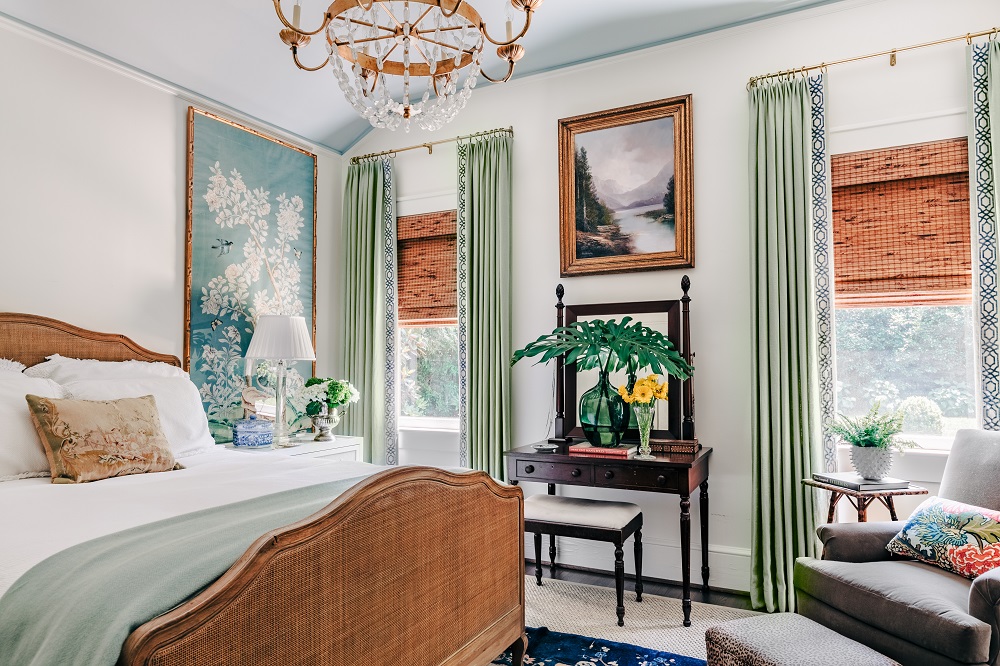

Living with a small bedroom does not mean you have to sacrifice comfort, style, or functionality. Compact spaces can often feel surprisingly cozy and intimate, but without the right design choices, they quickly turn cramped and chaotic. The secret to transforming a modest bedroom into a serene retreat lies in understanding visual weight, light distribution, and clever spatial organization.
By applying deliberate interior decorating strategies, you can alter the perception of a room’s physical dimensions. Through the thoughtful arrangement of furniture, careful selection of textiles, and creative use of vertical space, a compact room can look and feel significantly more expansive. Here is an in-depth guide to the most effective decor techniques for maximizing visual space in a small bedroom.
Harness the Power of Light and Color
Color sets the psychological foundation of any room. In small spaces, your palette plays a major role in determining whether walls feel expansive or constricting.
Embrace Light and Tonal Color Palettes
Lighter shades reflect natural light rather than absorbing it, helping boundaries recede. While crisp white is a timeless choice, you do not need to limit yourself to a stark, sterile look. Soft off-whites, creamy ivories, gentle taupes, and muted light grays achieve the same airy effect while adding warmth.
To create seamless visual continuity, paint the walls, trim, baseboards, and ceiling in the same color family or slightly varying tones of a single hue. Eliminating high-contrast breaks between the wall and ceiling prevents the eye from registering hard edges, which naturally makes the ceiling appear taller.
Create Subtle Contrast Instead of Heavy Accent Walls
If you love color, you can still incorporate it without shrinking the room. Instead of painting a single wall in a dark, saturated color that cuts the space in half, introduce color through soft furnishings, textured pillows, or a muted headboard. If you prefer deep tones, consider enveloping the entire room in a single moody shade like slate or moss green. This technique blurs the corners of the room and creates an intimate, cocoon-like atmosphere rather than making it feel smaller.
Optimize Furniture Selection and Placement
Every square inch counts in a small bedroom. Choosing the right furniture pieces and positioning them strategically prevents the floor plan from feeling overcrowded.
Choose Low-Profile Furniture with Visible Legs
Heavy, boxy furniture that sits flat on the floor blocks sightlines and creates a dense visual barrier. To keep the space feeling light, choose pieces with exposed, slender legs. When you can see the floor extend beneath your bed, nightstands, and dressers, your brain perceives the room as larger and more open.
Opt for a low-profile platform bed with a streamlined headboard. Tall, ornate four-poster frames or bulky sleigh beds overpower small rooms by consuming valuable vertical and horizontal volume.
Scale Down Nightstands and Floating Pieces
Traditional matching bedroom sets often take up far too much floor space. Replace large bedside tables with compact alternatives:
-
Floating Bedside Shelves: Wall-mounted shelves free up precious floor area directly beneath, creating an airy look.
-
Slim Pedestal Tables: Round, delicate side tables eliminate sharp corners and allow for smooth traffic flow around the bed.
-
Integrated Headboard Storage: A custom or slim headboard with built-in side niches eliminates the need for freestanding nightstands altogether.
Keep the Bed Proportional to the Room
While a king-sized mattress is luxurious, forcing one into a tiny room leaves little space for walking or additional furniture. A queen or full-size bed is usually the ideal proportion for compact spaces. Positioning the bed against the longest unbroken wall maintains a clear pathway to the door and windows.
Master Vertical Storage and Organization
When horizontal floor space is limited, the only logical direction to build is up. Directing the eye upward not only expands vertical perception but also provides essential storage solutions that keep clutter off surfaces.
Install Floor-to-Ceiling Shelving and Wardrobes
Standard freestanding wardrobes often leave an awkward gap between the top of the cabinet and the ceiling. This unused space collects dust and visually truncates the wall. Instead, opt for floor-to-ceiling built-ins or modular storage units that reach all the way up. Tall, uninterrupted vertical lines draw the eye toward the ceiling, creating an immediate sense of height.
Maximize Hidden Under-Bed Storage
Clutter is the quickest way to make any bedroom feel claustrophobic. Utilize the dead space under your bed for items that are not used every day, such as extra linens, seasonal clothing, or luggage.
-
Choose a bed frame with built-in, seamless pull-out drawers.
-
Use low-profile, fabric storage boxes equipped with smooth wheels.
-
Opt for a tailored bed skirt with crisp lines to keep storage bins neatly out of sight.
Use Mirrors and Reflective Surfaces Strategically
Mirrors are among the most powerful tools for expanding visual space. They bounce natural and artificial light deep into the room while creating the optical illusion of added square footage.
Hang Oversized or Full-Length Mirrors
A tiny wall mirror does little to enhance scale. Instead, invest in a large full-length mirror. Lean a tall floor mirror securely against a wall, or mount a large, frameless mirror directly behind a bedside table.
Position the mirror across from or adjacent to your primary window. This reflects outdoor views and daylight, making it feel as though your room has an additional window.
Integrate Reflective Finishes and Glass
Incorporate decor items that capture and scatter light. Consider:
-
Mirrored or glass-topped accent tables
-
Polished metal hardware in brushed brass or chrome
-
Glossy ceramic table lamps
-
Wardrobes featuring full-length mirrored door panels
Transform the Space with Smart Window Treatments
How you dress your windows directly affects the amount of daylight entering the room and how tall your walls appear.
Hang Curtains High and Wide
One of the most frequent decorating mistakes is mounting curtain rods directly above the window frame. This closes off the window and lowers the visual ceiling.
Always mount the curtain rod as close to the ceiling as possible, typically a few inches below the crown molding. Extend the rod past the window frame on both sides. This allows the curtain panels to rest against the wall when open, exposing the full glass area to maximize incoming daylight while giving the impression of grand, wide windows.
Select Lightweight and Flowing Fabrics
Heavy, dark drapery can weigh down a compact bedroom. Opt for breezy, lightweight fabrics such as sheer linen, semi-sheer cotton, or light-filtering synthetic blends. Sheer drapes offer privacy during the day while allowing soft, diffused daylight to illuminate the space.
Elevate Your Lighting Scheme
A single, harsh overhead light fixture leaves dark corners that make a room feel boxy and uninviting. Layered lighting eliminates shadows and adds visual depth.
Eliminate Table Lamps in Favor of Sconces
Nightstand lamps consume valuable surface space that could otherwise hold books, a glass of water, or a phone. Swap bulky lamps for wall-mounted sconces or slim pendant lights suspended from the ceiling on either side of the bed.
Look for plug-in sconces with articulating arms that allow you to adjust the direction of the light for reading. This keeps bedside tables completely clear.
Add Indirect Accent Lighting
Place accent lighting in darker areas of the room to soften corners and draw the eye across the entire perimeter. Consider:
-
Adhesive LED light strips hidden behind a headboard
-
Under-bed warm accent lighting
-
A small up-light placed behind a potted plant in an empty corner
Curate Textiles and Decorative Accents
In a small space, every decorative element must be intentional. Piling up too many small decor pieces creates visual noise that overwhelms the senses.
Layer Monochromatic Textures
If your color palette is neutral, bring the room to life through texture rather than busy patterns. Mix a chunky knit throw blanket, waffle-weave duvet covers, washed linen shams, and a plush wool rug. This provides tactile richness and warmth without introducing competing colors.
Minimize Busy Patterns and Clutter
Busy floral or intricate geometric patterns on wallpapers, bedding, and rugs can make walls and floors feel closer than they actually are. If you want patterns, choose simple, large-scale prints or subtle tone-on-tone textures.
Edit your surfaces ruthlessly. Limit dresser top decor to a few curated items, such as a single decorative tray, a small vase of fresh flowers, and a jewelry dish. A clean surface communicates order, serenity, and spaciousness.
Frequently Asked Questions
What type of rug works best in a small bedroom?
Use a large rug that extends beyond the sides and foot of the bed rather than several tiny scatter rugs. A rug that is too small breaks up the floor plan and makes the room feel chopped up. Aim for a rug that fits under the lower two-thirds of the bed, leaving an even border of exposed flooring around the perimeter of the room.
Can I use dark furniture in a small bedroom?
Yes, you can use dark furniture, provided the pieces have slender, clean lines and raised legs. Avoid bulky, heavy dark wood sets. Balancing a few dark pieces against pale walls and neutral bedding adds sophistication and grounded contrast without overwhelming the room.
Should I choose sliding doors or hinged doors for small bedroom closets?
Sliding doors or bi-fold doors are much better for small rooms because they do not require clearance space to swing open. Pocket doors that slide directly into the wall cavity are the ultimate space-saving solution if you are doing a full remodel.
What is the ideal scale for artwork in a small bedroom?
A single, large-scale piece of framed artwork hung above the bed or on a primary wall looks far cleaner and more expansive than a gallery wall filled with numerous small frames. One bold piece creates a clear focal point and keeps the walls uncluttered.
Are ceiling fans a good idea for small bedrooms with low ceilings?
Standard downrod ceiling fans can hang too low and make a room feel cramped. If you need a fan for airflow, choose a modern, low-profile flush-mount hugger fan in a color that blends seamlessly into the ceiling paint.
How do I handle heating radiators or vents without wasting wall space?
Build custom, shallow radiator covers with a flat top shelf that doubles as a display ledge or narrow vanity surface. Ensure the cover features slatted or woven fronts to allow heat to circulate properly while turning an awkward architectural feature into functional surface space.
What is the best door design to maximize light inside a small bedroom?
If privacy allows, such as for an en-suite bathroom or walk-in closet door, consider a frosted glass door or a door with reeded glass panels. This lets light filter between rooms while maintaining privacy, eliminating solid barriers that make spaces feel closed off.

Comments are closed.