
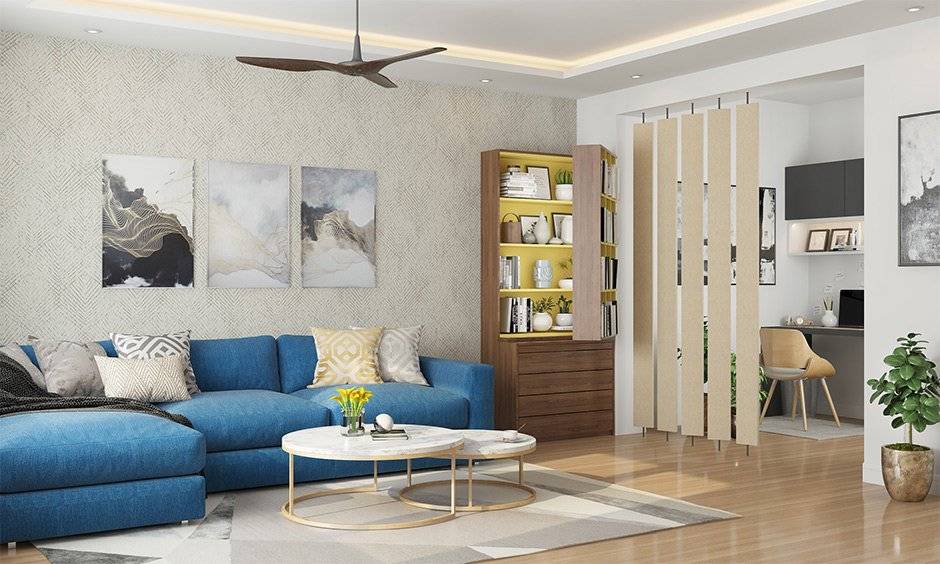

Home decor is more than an aesthetic pursuit; it is a powerful tool that shapes mood, functionality, and comfort within your living spaces. Effective decor harmonizes personal style with practical considerations, creating an environment that is visually appealing, organized, and emotionally supportive. From lighting to furniture, textures to colors, every element plays a role in crafting a home that resonates with its occupants.
The Role of Decor in Home Design
Decor is essential in defining the character and function of a space. Thoughtful decor elevates a room from a simple structure to a personalized haven, enhancing both mental well-being and lifestyle quality.
Key Benefits of Strategic Home Decor
- Mood Enhancement: Color schemes, lighting, and textures influence emotions, reducing stress and increasing positivity.
- Functional Optimization: Furniture arrangement and decor accessories can maximize space, improve traffic flow, and provide practical storage.
- Expression of Personality: Home decor reflects personal tastes, hobbies, and cultural influences, making a space uniquely yours.
- Increased Property Value: Stylish, functional, and cohesive decor can increase a home’s market appeal.
Understanding Your Space
Before selecting decor elements, it is essential to analyze the room’s function, dimensions, and natural features.
Room Function and Purpose
- Living Rooms: These spaces benefit from versatile decor that accommodates relaxation, socializing, and entertainment.
- Bedrooms: Focus on comfort, tranquility, and personal expression through soothing colors and strategic lighting.
- Kitchens: Functional decor emphasizing durability, storage, and cleanliness is paramount.
- Home Offices: Productivity-driven decor with ergonomic furniture, organized storage, and well-planned lighting enhances efficiency.
Spatial Awareness
- Assess room dimensions to avoid overcrowding with furniture or decor items.
- Consider natural light sources, window placement, and views when planning decor elements.
- Identify focal points such as fireplaces, large windows, or architectural details that guide decor placement.
Color and Texture: Building a Cohesive Palette
Color and texture are foundational to impactful decor. They set the mood, create harmony, and influence perception of space.
Color Selection
- Neutral Bases: Whites, beiges, and soft grays provide flexibility and a clean backdrop for decor accents.
- Accent Colors: Incorporating bolder shades through pillows, rugs, or wall art adds personality without overwhelming the space.
- Color Psychology: Blues and greens promote calm, yellows stimulate creativity, and reds evoke energy and warmth.
Texture Integration
- Layering Fabrics: Combining materials like linen, velvet, and cotton adds depth and tactile interest.
- Flooring Choices: Hardwood, carpets, or rugs contribute to visual warmth and comfort.
- Decorative Elements: Metallic accents, ceramic vases, and woven baskets create texture variation and visual intrigue.
Furniture Placement and Selection
Furniture serves both functional and aesthetic purposes. Selecting the right pieces and arranging them strategically is crucial for balance and comfort.
Furniture Considerations
- Prioritize pieces that match the room’s scale and avoid overcrowding.
- Opt for multi-functional furniture, such as storage ottomans, sofa beds, or expandable tables.
- Consider ergonomic design for frequently used items, such as chairs, desks, and beds.
Placement Strategies
- Arrange furniture around focal points, such as a fireplace, artwork, or entertainment unit.
- Maintain clear pathways and sufficient space for movement.
- Use symmetrical arrangements to create a formal feel or asymmetrical layouts for casual, modern vibes.
Lighting: Functionality Meets Ambiance
Lighting plays a pivotal role in decor, influencing mood, highlighting features, and supporting daily activities.
Types of Lighting
- Ambient Lighting: Ceiling fixtures, chandeliers, or recessed lights provide general illumination.
- Task Lighting: Desk lamps, reading lights, and kitchen under-cabinet lighting support focused activities.
- Accent Lighting: Wall sconces, LED strips, and spotlights highlight artwork, architectural features, or decorative objects.
Enhancing Decor with Lighting
- Layering different lighting types creates dimension and enhances the overall design.
- Adjustable lighting, including dimmers, allows customization for mood and activity.
- Warm lighting tones complement neutral or earthy decor, while cooler tones work well for modern, minimalistic spaces.
Art, Accessories, and Personalization
Decor is incomplete without personal touches that reflect style and character.
Wall Art and Decorative Pieces
- Artworks: Paintings, photographs, or sculptures create focal points and express personality.
- Mirrors: Enhance light and perception of space while serving a functional purpose.
- Decorative Objects: Vases, bowls, and collectibles add depth and interest to shelves and tables.
Textiles and Soft Furnishings
- Curtains and Drapes: Provide privacy, control light, and add softness to the space.
- Pillows and Throws: Introduce color, pattern, and texture for seasonal or thematic changes.
- Area Rugs: Anchor furniture, define zones, and introduce warmth and texture.
Greenery and Natural Elements
- Incorporate plants, flowers, or small indoor trees to improve air quality and create a calming environment.
- Natural materials, such as wood, stone, or rattan, contribute warmth and organic texture.
Decluttering and Organization
Effective decor balances beauty with functionality. Organization prevents clutter and maximizes visual appeal.
Storage Solutions
- Utilize vertical space with shelving or wall-mounted storage.
- Decorative baskets, boxes, or trays keep small items organized.
- Multi-functional furniture, such as beds with drawers or coffee tables with storage, integrates decor and utility.
Minimalism vs. Maximalism
- Minimalist Decor: Focuses on essential pieces, clean lines, and open space for tranquility.
- Maximalist Decor: Embraces layered patterns, vibrant colors, and abundant accessories for a bold statement.
Seasonal and Trend Considerations
Staying current with trends while maintaining personal style creates a fresh and inviting home.
Popular Decor Trends
- Sustainable Materials: Eco-friendly fabrics, reclaimed wood, and low-VOC paints.
- Smart Home Integration: Lighting, thermostats, and furniture that adapt to user needs.
- Biophilic Design: Incorporating natural elements to enhance mood and health.
- Texture Play: Mixing soft and hard surfaces, metallics, and textiles for visual interest.
Seasonal Updates
- Switch pillow covers, throws, or rugs to reflect seasonal colors and textures.
- Introduce temporary accents, like flowers or seasonal artwork, to keep decor dynamic.
DIY Decor Tips
Personalized DIY projects add uniqueness and creativity to any space.
- Upcycling Furniture: Sanding, painting, or reupholstering old furniture gives it a fresh look.
- Custom Wall Art: Create framed pieces, gallery walls, or canvas paintings to showcase personality.
- Decorative Lighting Projects: String lights, lanterns, or LED arrangements can add charm and ambiance.
- Textile Crafts: Sew pillow covers, curtains, or table runners to match decor themes.
Common Decor Mistakes to Avoid
- Overcrowding spaces with too much furniture or accessories.
- Ignoring scale and proportion when selecting decor items.
- Over-reliance on trends without considering personal style or practicality.
- Poor lighting planning, resulting in dull or unevenly lit rooms.
- Neglecting storage, leading to clutter that undermines aesthetic appeal.
Conclusion
Decor tips go beyond superficial design choices; they are a strategic way to enhance functionality, comfort, and style in your home. By thoughtfully considering color, texture, furniture, lighting, and personal touches, any space can be transformed into a visually appealing and emotionally supportive environment. Balancing trends with timeless design elements ensures that your decor remains relevant and reflective of your personality. Successful decor combines aesthetics, practicality, and personal expression, making every room not just livable, but truly welcoming.
Frequently Asked Questions (FAQs)
1. How can I refresh a room without spending a lot of money?
Change accessories like pillows, throws, rugs, or curtains, and rearrange furniture for a new perspective. Adding DIY projects or small decor items can make a significant impact.
2. What are the best ways to mix patterns and textures?
Start with a neutral base, then layer contrasting textures and patterns in small doses through pillows, rugs, and artwork to maintain balance.
3. How do I choose a color scheme for my home?
Consider the mood you want to create, natural lighting, and existing furniture. Use a primary color for large surfaces, a secondary color for accents, and a contrasting color for small details.
4. How can I make a small room appear larger?
Use light colors, mirrors, minimal furniture, and vertical storage to create an open, airy feel. Consistent flooring also helps visually expand space.
5. What are eco-friendly decor options?
Opt for sustainable furniture, organic textiles, low-VOC paints, recycled or upcycled materials, and energy-efficient lighting.
6. How do I balance trends with timeless design?
Incorporate trendy accents in small, changeable elements like pillows, art, or decor accessories, while keeping larger furniture and structural elements classic and versatile.

Comments are closed.