
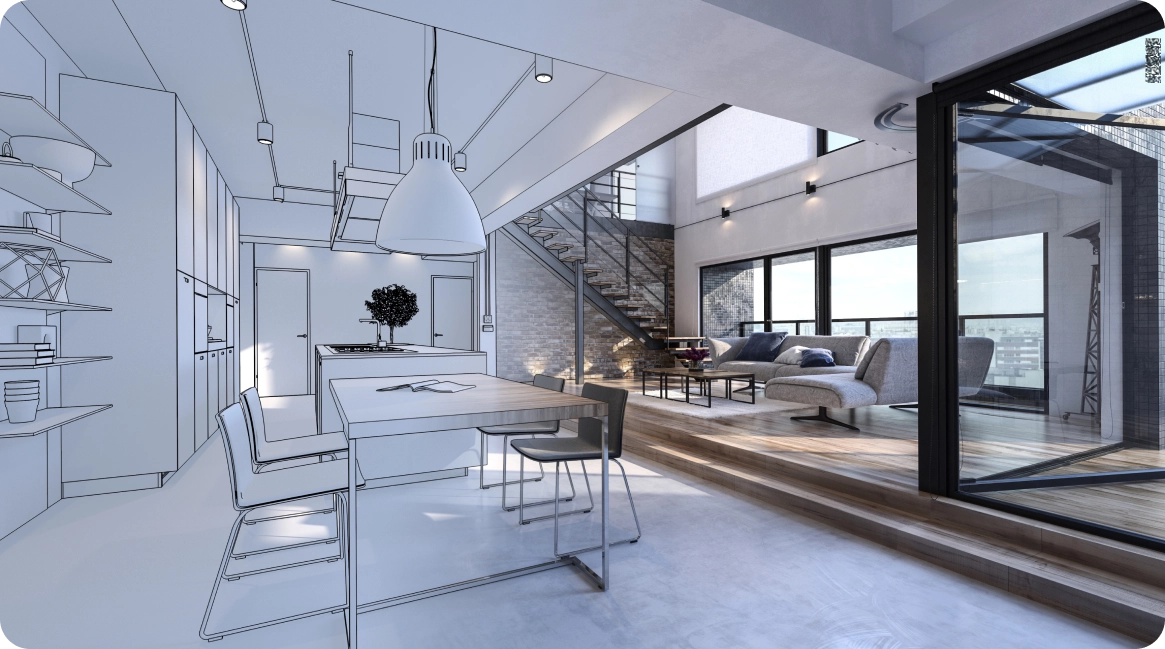

Architecture is more than the mere act of constructing buildings; it represents a profound synthesis of art, science, and cultural expression. The term architecture encompasses the creative and technical processes behind designing structures that meet functional needs while evoking aesthetic and emotional responses. For centuries, architecture has shaped human civilizations, reflecting social values, technological advancements, and environmental awareness.
The Historical Evolution of Architecture
Architecture has a rich historical lineage that reflects humanity’s evolving relationship with space, technology, and materials. Understanding its history provides context for contemporary design practices.
Ancient Architecture
Ancient civilizations laid the foundations for architectural principles. Structures were often monumental, combining durability with symbolic significance.
- Egyptian Architecture: Characterized by massive stone structures like pyramids and temples, emphasizing permanence and religious symbolism. Precision in measurements and alignment with celestial bodies was critical.
- Mesopotamian Architecture: Known for ziggurats and city planning, showcasing the use of mud bricks and urban organization. Architecture served both religious and administrative purposes.
- Greek Architecture: Developed orders such as Doric, Ionic, and Corinthian, emphasizing proportion, symmetry, and harmony. Public spaces like theaters and agoras highlighted civic engagement.
- Roman Architecture: Advanced engineering techniques, including aqueducts, vaults, and concrete construction, enabled monumental buildings like the Colosseum, blending utility and grandeur.
Medieval and Renaissance Architecture
During the medieval period, architecture reflected religious devotion and feudal power structures.
- Gothic Architecture: Notable for pointed arches, ribbed vaults, and flying buttresses. Cathedrals like Notre Dame demonstrate verticality and light manipulation through stained glass.
- Renaissance Architecture: Emphasized symmetry, proportion, and classical references. Architects such as Filippo Brunelleschi reintroduced geometric rigor and human-scale design principles.
Modern Architecture
The Industrial Revolution and technological advancements triggered a transformation in architectural thought.
- Industrial Influence: Introduction of steel, glass, and reinforced concrete enabled taller buildings and new structural forms.
- Modernist Movement: Architects like Le Corbusier and Ludwig Mies van der Rohe prioritized functionality, minimalism, and open floor plans. Form followed function became a defining mantra.
- Postmodern and Contemporary Trends: Contemporary architecture often blends historical references with innovation, sustainability, and digital design technologies.
Principles of Architecture
Effective architecture balances technical precision with human experience. Core principles guide this synthesis.
Functionality
A building must serve its intended purpose efficiently. Architectural function encompasses spatial organization, accessibility, circulation, and adaptability.
- Open-plan designs enhance flexibility in commercial and residential spaces.
- Specialized environments like hospitals and laboratories require strict adherence to ergonomic and safety standards.
Aesthetics
Aesthetic principles define the visual and emotional appeal of a structure.
- Proportion and scale influence how a building interacts with its surroundings.
- Texture, color, and materiality contribute to sensory experience and identity.
Sustainability
Modern architecture increasingly prioritizes environmental responsibility.
- Passive design strategies reduce energy consumption through natural ventilation, solar orientation, and daylight optimization.
- Green materials, rainwater harvesting, and energy-efficient systems minimize ecological impact.
- Adaptive reuse preserves historical buildings while reducing resource-intensive new construction.
Structural Integrity
Engineering principles ensure that structures withstand physical forces and environmental conditions.
- Load-bearing systems, including beams, columns, and trusses, must be carefully calculated.
- Modern software and computational modeling allow architects to simulate stresses and optimize material use.
Cultural and Contextual Relevance
Architecture reflects local culture, history, and geography.
- Vernacular architecture adapts to regional climate, materials, and traditions.
- Urban design considers social interactions, community needs, and public spaces.
Architectural Styles and Movements
Architecture is dynamic, evolving through diverse styles and movements that respond to cultural, technological, and artistic influences.
Classical and Neoclassical Architecture
Rooted in Greek and Roman traditions, these styles emphasize symmetry, columns, pediments, and geometric order.
Modernism
Emphasizes minimalism, clean lines, and industrial materials. Key elements include functional design, open interiors, and lack of ornamentation.
Brutalism
Characterized by raw concrete, bold geometries, and expressive structural elements. Brutalism often conveys strength and utilitarian purpose.
High-Tech Architecture
Focuses on exposing structural and mechanical systems, celebrating technological aesthetics and modular construction.
Sustainable and Green Architecture
Prioritizes ecological harmony, energy efficiency, and biophilic design principles that connect occupants with nature.
The Role of Technology in Contemporary Architecture
Digital tools and technologies have revolutionized architectural practice.
- Building Information Modeling (BIM): Integrates architectural design with engineering and construction planning for precise coordination.
- Parametric Design: Allows architects to create complex, adaptive forms through computational algorithms.
- Virtual and Augmented Reality: Facilitates immersive visualization and client engagement before construction begins.
- 3D Printing: Enables rapid prototyping and innovative construction methods using diverse materials.
Architectural Materials and Innovations
Material selection is central to architectural performance and expression.
- Concrete: Versatile and durable, widely used for structural and sculptural purposes.
- Steel: Provides tensile strength and supports skyscrapers and large spans.
- Glass: Maximizes natural light and transparency, enhancing modern aesthetics.
- Sustainable Materials: Bamboo, recycled composites, and cross-laminated timber reduce environmental impact.
Architecture and Human Experience
Architecture is inherently experiential, shaping human behavior and perception.
- Spatial arrangement influences social interaction, privacy, and productivity.
- Lighting design affects mood, alertness, and emotional well-being.
- Acoustic planning ensures comfort in residential, commercial, and public environments.
Urban Architecture and Community Planning
Urban architecture integrates individual buildings into the broader social and environmental fabric.
- Mixed-use developments combine residential, commercial, and cultural spaces for efficiency and community vitality.
- Pedestrian-friendly design enhances accessibility, mobility, and social cohesion.
- Public parks, plazas, and green infrastructure foster ecological balance and recreational opportunities.
Career Paths in Architecture
Architecture offers diverse professional opportunities beyond traditional building design.
- Architect: Designs buildings, manages projects, and ensures regulatory compliance.
- Urban Planner: Focuses on city development, zoning, and public space planning.
- Landscape Architect: Designs outdoor environments, balancing aesthetics and ecology.
- Interior Designer: Creates functional and visually compelling interior spaces.
- Historic Preservationist: Protects and restores cultural heritage buildings.
Challenges in Modern Architecture
Despite advancements, architecture faces ongoing challenges.
- Balancing innovation with cost-effectiveness and regulatory compliance.
- Addressing climate change through resilient and adaptive designs.
- Integrating smart technologies while maintaining human-centric environments.
- Managing urban density and affordable housing shortages.
Future Trends in Architecture
Emerging trends reflect global priorities, technological innovation, and cultural shifts.
- Smart Cities: Integration of IoT, sensors, and AI to optimize urban infrastructure.
- Biophilic Design: Strengthening human-nature connection within built environments.
- Net-Zero Energy Buildings: Reducing carbon footprints through renewable energy integration.
- Adaptive Architecture: Dynamic structures that respond to environmental conditions and user needs.
Conclusion
Architecture is a multidimensional discipline that bridges creativity, science, and human experience. From ancient monuments to contemporary skyscrapers, architectural practices continue to evolve in response to cultural, environmental, and technological challenges. The field is not merely about constructing buildings but creating meaningful, functional, and enduring spaces that enhance human life and societal identity.
Frequently Asked Questions (FAQs)
1. What is the difference between architecture and engineering?
Architecture focuses on design, aesthetics, and human experience, while engineering ensures structural integrity, functionality, and technical feasibility. Both disciplines collaborate closely to create safe and functional buildings.
2. How does sustainable architecture impact the environment?
Sustainable architecture reduces energy consumption, minimizes waste, uses eco-friendly materials, and fosters environmental stewardship, significantly lowering the ecological footprint of buildings.
3. Can architecture influence mental health?
Yes, thoughtful design elements like natural light, green spaces, acoustics, and spatial layout can reduce stress, enhance mood, and promote overall well-being.
4. What are some emerging technologies shaping architecture?
Key technologies include Building Information Modeling (BIM), parametric and computational design, virtual and augmented reality, 3D printing, and AI-driven urban planning.
5. Why is historical architecture important today?
Historical architecture preserves cultural heritage, provides insight into past societies, and informs contemporary design by offering lessons in proportion, material use, and urban planning.
6. How do architects integrate local culture into designs?
By studying regional history, climate, materials, and social practices, architects can create contextually relevant structures that resonate with local identity while meeting modern needs.
7. What career opportunities exist in architecture besides building design?
Options include urban planning, landscape architecture, interior design, historic preservation, construction management, and research in sustainable or technological design practices.

Comments are closed.