
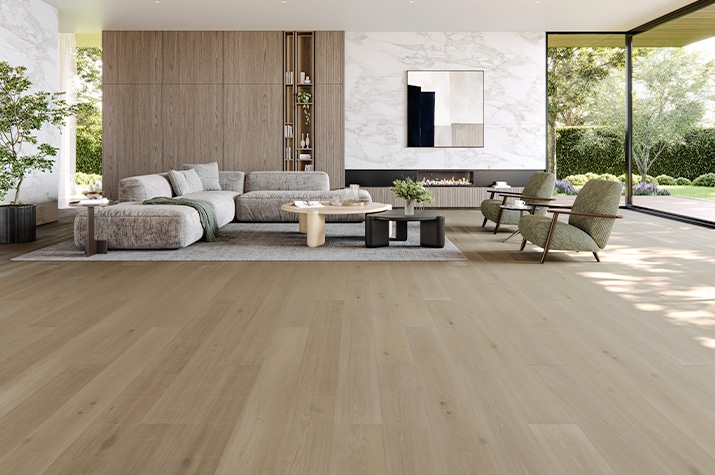

Flooring is one of the most critical aspects of home design, influencing aesthetics, comfort, functionality, and even property value. The right flooring combines style with durability, and it must accommodate the specific demands of each room. From hardwood to tiles, carpets to eco-friendly options, flooring choices reflect personal taste, lifestyle, and long-term investment priorities.
Understanding the Importance of Flooring
Choosing the right flooring goes beyond appearance. It impacts safety, maintenance, comfort, and the overall ambiance of a space. High-quality flooring supports foot traffic, resists wear, and complements interior design while providing an inviting atmosphere.
Key Benefits of Thoughtful Flooring
- Durability: Proper flooring withstands daily wear and tear, saving money in repairs and replacements.
- Safety: Slip-resistant surfaces and proper installation reduce accidents, particularly in kitchens, bathrooms, and high-traffic areas.
- Comfort: Flooring affects thermal insulation, underfoot comfort, and noise absorption, creating a more pleasant living environment.
- Aesthetic Appeal: Flooring sets the tone for interior decor, influencing color schemes, furniture choices, and visual harmony.
Types of Flooring Materials
Understanding available materials helps homeowners select flooring suited to specific needs, budgets, and design preferences.
Hardwood Flooring
Hardwood remains a classic choice for elegance, longevity, and warmth.
- Types: Oak, maple, cherry, walnut, and hickory are popular species. Each has distinct grain patterns, colors, and hardness levels.
- Installation: Hardwood can be nailed, stapled, or glued, with engineered options available for easier installation over concrete or radiant heating systems.
- Maintenance: Regular sweeping, occasional polishing, and immediate spill cleanup prevent stains and water damage.
- Advantages: Timeless aesthetic, durability, and potential to increase property value.
- Considerations: Susceptible to scratches, dents, and moisture, making it less ideal for bathrooms or basements.
Laminate Flooring
Laminate flooring provides the look of wood or stone at a lower cost, with easy maintenance.
- Construction: Multi-layer synthetic flooring fused through high-pressure lamination with a photographic applique layer replicating natural materials.
- Durability: Scratch and impact resistant, ideal for high-traffic areas.
- Installation: Often click-lock, floating installation; suitable for DIY projects.
- Maintenance: Simple cleaning with dry mops or damp cloths; avoid excessive water.
- Advantages: Cost-effective, versatile designs, and low-maintenance.
- Considerations: Cannot be refinished like solid wood, and water exposure can cause swelling or warping.
Vinyl Flooring
Vinyl has evolved with options that mimic wood, stone, and ceramic, offering affordability and resilience.
- Types: Sheet vinyl, vinyl tiles, and luxury vinyl planks (LVP) vary in thickness, finish, and installation method.
- Durability: Waterproof and highly resistant to stains, scratches, and dents.
- Installation: Glue-down, peel-and-stick, or click-lock planks.
- Maintenance: Simple sweeping and mopping; excellent for kitchens, bathrooms, and basements.
- Advantages: Water-resistant, affordable, and easy to replace individual planks.
- Considerations: Can fade under direct sunlight; subfloor imperfections may telegraph through thin sheets.
Tile Flooring
Tile offers unparalleled durability and water resistance, making it ideal for bathrooms, kitchens, and outdoor areas.
- Materials: Ceramic, porcelain, natural stone (marble, granite, slate), and glass tiles.
- Durability: Long-lasting and resistant to scratches and moisture when properly sealed.
- Installation: Requires precise measurements, adhesives, and grout. Professional installation is recommended for natural stone tiles.
- Maintenance: Regular cleaning; stone tiles require sealing to prevent stains.
- Advantages: Variety of designs, colors, and textures; extremely durable.
- Considerations: Hard underfoot; can be cold without radiant heating.
Carpet Flooring
Carpet adds warmth, softness, and sound absorption to bedrooms, living rooms, and family spaces.
- Types: Loop, cut pile, plush, Berber, and frieze, each offering unique textures and durability.
- Materials: Nylon, polyester, wool, olefin, or blends, varying in resilience and feel.
- Maintenance: Vacuum regularly, spot clean, and schedule professional deep cleaning.
- Advantages: Comfort, noise reduction, and versatility in color and pattern.
- Considerations: Prone to stains, allergens, and wear in high-traffic areas; not ideal for moisture-prone rooms.
Eco-Friendly Flooring
Sustainable options are increasingly popular for environmentally conscious homeowners.
- Bamboo Flooring: Rapidly renewable, durable, and visually appealing.
- Cork Flooring: Soft, warm, and excellent for sound absorption; renewable and biodegradable.
- Reclaimed Wood: Salvaged from old structures, combining eco-friendliness with character.
- Recycled Materials: Carpets, vinyl, and tiles made from recycled plastics and composites.
- Advantages: Reduces environmental impact and often brings unique textures or stories to a home.
- Considerations: Material availability, cost, and specific care requirements.
Factors to Consider When Choosing Flooring
Selecting the right flooring requires analyzing lifestyle, room function, budget, and design goals.
Room Function and Traffic
- High-Traffic Areas: Kitchens, hallways, and entryways require durable and easy-to-clean flooring.
- Moisture-Prone Spaces: Bathrooms, laundry rooms, and basements benefit from water-resistant materials like tile or vinyl.
- Comfort-Focused Spaces: Bedrooms and living rooms can accommodate carpets, cork, or softer wood options for comfort underfoot.
Style and Design Integration
- Color Coordination: Flooring color should complement wall colors, furniture, and accent decor.
- Texture and Pattern: Wood grain, tile patterns, and carpet textures affect visual perception and feel.
- Continuity: Matching or harmonizing flooring across rooms creates a cohesive design, while deliberate contrast can define zones.
Budget and Long-Term Value
- Initial Cost: High-end hardwood and natural stone are expensive but durable. Vinyl, laminate, and carpet offer affordability with style flexibility.
- Maintenance Cost: Durable materials often have lower ongoing costs; delicate surfaces may require refinishing or replacement.
- Resale Impact: High-quality, stylish flooring can increase property value and appeal to buyers.
Installation Tips for Longevity
Proper installation is crucial to maximize flooring lifespan and performance.
- Professional vs. DIY: Some materials like hardwood and tile benefit from professional installation due to precision requirements.
- Subfloor Preparation: Level, dry, and clean subfloors prevent uneven surfaces, squeaks, and premature damage.
- Expansion Gaps: Wood and laminate require gaps around edges to accommodate expansion and contraction.
- Moisture Barriers: Essential for basements and moisture-prone areas to prevent warping and mold growth.
Maintenance and Care
Long-term performance depends on regular maintenance and care suited to each flooring type.
- Hardwood: Sweep daily, mop sparingly, and polish annually; use rugs in high-traffic areas.
- Laminate: Avoid excess water, use protective pads under furniture, and clean with manufacturer-approved solutions.
- Vinyl: Mop regularly, avoid abrasive cleaners, and repair scratches promptly.
- Tile: Clean grout lines, reseal stone tiles, and inspect for cracks or chips.
- Carpet: Vacuum frequently, treat stains quickly, and schedule professional cleaning annually.
Common Flooring Mistakes to Avoid
- Choosing flooring solely based on looks, ignoring durability or room function.
- Skipping proper subfloor preparation, leading to uneven surfaces or damage.
- Overlooking moisture considerations in bathrooms or basements.
- Failing to measure correctly, resulting in insufficient or excessive materials.
- Ignoring maintenance needs, reducing flooring lifespan.
Trends in Modern Flooring
- Luxury Vinyl Planks: Popular for realistic wood and stone aesthetics with waterproof properties.
- Wide-Plank Hardwood: Enhances contemporary and rustic spaces with visual impact.
- Eco-Friendly Materials: Increasing adoption of bamboo, cork, and recycled composites.
- Patterned Tiles: Geometric, herringbone, and mosaic designs for bold statements.
- Textured Carpets: Soft textures combined with unique patterns for comfort and visual depth.
Conclusion
Flooring is a foundational element that defines the aesthetic, function, and comfort of any space. Choosing the right material requires a balance of durability, style, maintenance, and budget considerations. Proper installation and ongoing care ensure longevity and performance, while thoughtful design integration enhances the overall home ambiance. Whether selecting hardwood for elegance, tile for durability, or eco-friendly options for sustainability, flooring remains a strategic investment that shapes the experience of every room.
Frequently Asked Questions (FAQs)
1. How do I choose the best flooring for high-moisture areas?
Opt for water-resistant or waterproof materials such as tile, vinyl, or treated hardwood. Ensure proper subfloor preparation and moisture barriers.
2. Can flooring be changed without major renovations?
Yes, materials like laminate, vinyl planks, and peel-and-stick tiles allow for relatively simple upgrades without structural changes.

Comments are closed.