
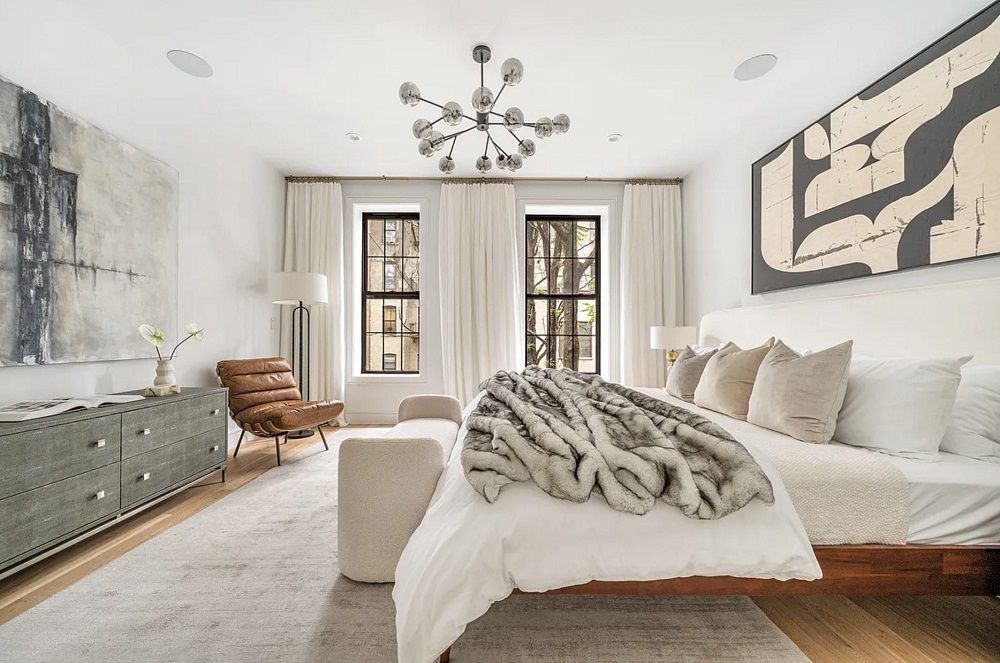

In today’s fast-paced world, the bedroom serves as far more than just a place to sleep. It is a personal sanctuary where the mind unwinds, stress dissolves, and the body recharges for the day ahead. However, without intentional decorating choices, bedrooms easily become visual dumping grounds for daily clutter, laundry piles, and chaotic electronic devices.
Designing a restful retreat requires a careful balance of aesthetic harmony, tactile comfort, and psychological ease. By making strategic adjustments to your color palette, architectural lighting, material finishes, and spatial layout, you can cultivate a soothing haven that directly supports deeper rest and restorative well-being.
Establish a Calming Color Palette
Color plays an undeniable role in how humans experience an interior environment. Highly saturated shades like vibrant reds, energetic yellows, and bright oranges stimulate the nervous system and increase heart rates, making it difficult to transition into a restful state. Conversely, muted and cool undertones encourage physical relaxation and calm mental chatter.
Soft Neutrals and Warm Earth Tones
Neutral shades form an adaptable, timeless foundation for a peaceful bedroom. Warm off-whites, creamy ivories, soft oatmeals, and gentle taupes soften hard lines while maintaining an open, airy feeling. These warm undertones keep the room from feeling sterile or clinical. Layering various tonal shifts within the same color family adds depth without introducing visual competition.
Gentle Nature-Inspired Hues
Looking to the natural world for inspiration yields some of the most effective sleep-inducing colors:
-
Sage and Muted Olive: Green tones evoke organic harmony, reducing anxiety and balancing the visual weight of the room.
-
Dusty Slate and Soft Mist: Gentle blues promote a physiological cooling response, helping the body recognize that it is time for rest.
-
Warm Clay and Muted Blush: Earthy terracotta undertones introduce grounding warmth, making large rooms feel cozy and intimate.
Prioritize the Bed and Tactile Bedding
The bed is the natural centerpiece of any bedroom design. To maximize comfort, every layer must be selected with both physical support and tactile luxury in mind.
Choose a Balanced Bed Frame and Mattress
A quality mattress tailored to your specific sleeping posture is essential. Whether you prefer hybrid foam or responsive innersprings, spinal alignment remains paramount. Choose a bed frame with an upholstered headboard in soft linen, bouclé, or brushed velvet. An upholstered backrest creates a plush barrier between you and the cold wall, making bedtime reading comfortable and quiet.
Invest in Breathable, Natural Fabrics
Synthetic bedding materials like polyester and microfiber often trap body heat, disrupting the body’s natural nocturnal temperature drops and causing restless sleep. Prioritize natural, breathable textiles that regulate body temperature throughout the night:
-
French Flax Linen: Known for its relaxed texture, linen offers superior temperature control, keeping you cool in summer and warm in winter.
-
Long-Staple Percale Cotton: Crisp, lightweight, and smooth, percale weave promotes optimal airflow for hot sleepers.
-
Organic Sateen Cotton: Boasting a soft sheen and a buttery hand-feel, sateen feels silky smooth against sensitive skin.
Layering your bedding with a waffle-weave coverlet, a lightweight down duvet, and an accent throw blanket at the foot of the bed creates an inviting, multi-dimensional retreat that beckons you to rest.
Design a Sophisticated, Layered Lighting Scheme
Harsh overhead lighting is the quickest way to ruin an otherwise peaceful ambiance. Relying on a single ceiling fixture produces unflattering shadows and keeps the brain in a state of high alertness. A truly relaxing bedroom utilizes layered lighting sources with adjustable warmth and intensity.
Warm Color Temperatures
Standard daytime office lighting relies on cool blue tones that mimic noon daylight, suppressing melatonin production. For a bedroom, switch every bulb to a warm white color temperature between 2200K and 2700K. This golden glow softens the room and signals the brain to begin preparing for sleep.
Distributed Light Sources
Distribute your light across three distinct levels:
-
Ambient Glow: A shaded central chandelier or flush mount with a frosted diffuser softly illuminates the general space.
-
Task Lighting: Bedside reading lamps or adjustable wall sconces cast focused light downward without illuminating the entire room.
-
Indirect Accent Illumination: Concealed LED light strips beneath floating nightstands, inside wardrobe valances, or placed behind headboard panels cast a soft, tranquil wash of light.
Install dimmer switches on every hardwired fixture so you can progressively lower the illumination levels as the night progresses.
Streamline Clutter with Smart Organization
Visual noise leads directly to mental friction. A bedroom filled with overflowing clothes racks, cluttered nightstands, and tangles of charging cables prevents the mind from fully relaxing.
Keep Flat Surfaces Clear
Adopt a minimalist mindset when styling your bedside tables and dressers. Limit nightstand decor to essentials: a reading lamp, a small dish for jewelry, and a glass of water. Store books, lip balms, and electronic accessories inside drawers equipped with custom internal dividers.
Concealed Wardrobe Systems
Open garment racks often look disordered and introduce visual chaos. Choose wardrobes with closed doors, preferably built-in units that extend from floor to ceiling. This keeps clothing hidden and eliminates horizontal ledges where dust and miscellaneous items accumulate.
Cable Management
Exposed black charging cables and extension cords break up the serenity of a room. Use bedside tables with integrated wire cutouts and hidden cable organizer boxes to keep device cords neatly tucked away. Establish a charging station inside a drawer to keep screens out of sight entirely during nighttime hours.
Enhance Tactile Comfort Underfoot
Waking up and stepping onto cold, hard flooring is a jarring sensory experience. The floor should serve as a soft, comforting surface that absorbs sound and grounds the entire room layout.
Proper Area Rug Placement
Even in bedrooms with existing wall-to-wall carpeting, layering a large area rug beneath the bed introduces tactile luxury. Ensure the rug extends at least twenty-four to thirty-six inches beyond the sides and foot of the bed frame. This generous scale ensures your feet touch a warm, cushioned surface the moment you step out of bed.
Natural Fiber Rug Materials
Select rug materials that feel wonderful to walk on:
-
Plush High-Pile Wool: Naturally resilient, stain-resistant, and extraordinarily soft underfoot.
-
Silk-Wool Blends: Add subtle luster and an ultra-soft texture that feels opulent in low-traffic bedroom environments.
-
Chunky Cotton Flatweaves: Offer a relaxed, casual aesthetic that is easy to maintain and clean.
Optimize Acoustics and Light Control
A genuinely restful bedroom must isolate you from the outside world. Managing external noise and street lighting is crucial for unbroken sleep cycles.
Total Light Blocking Window Treatments
Streetlamps, early morning sun, and headlights easily disrupt deep sleep phases. To combat light pollution, install custom window treatments featuring true blackout lining. Pairing floor-to-ceiling blackout drapery with light-filtering sheer panels gives you total privacy and light block at night, along with soft, diffused natural daylight during morning hours.
Sound Absorption Strategies
Acoustic resonance can make a room feel empty and echoey. You can dampen ambient noise and absorb sound waves through soft furnishings:
-
Hang dense, heavyweight drapery like velvet or lined linen across broad window expanses.
-
Add upholstered accent benches or accent chairs wrapped in textured bouclé or corduroy.
-
Introduce fabric wall hangings, canvas art, or upholstered headboard panels that trap unwanted sound reverberation.
Frequently Asked Questions
What type of mattress topper is best for temperature regulation?
Natural latex and wool mattress toppers are the most effective options for regulating body heat. Unlike traditional petroleum-based memory foam, which tends to trap warmth around your torso, natural wool wicks away moisture and promotes active airflow, while open-cell natural latex provides resilient contouring without retaining heat.
How can I incorporate calming scents without using open-flame candles?
Ultrasonic essential oil diffusers, reed diffusers with natural rattan sticks, and room linen sprays are safe, flame-free alternatives. Calming scents like French lavender, Atlas cedarwood, bergamot, and Roman chamomile introduce gentle aromatherapy that relaxes the senses without creating soot or fire hazards near bedding.
What is the ideal bedroom temperature for sleeping, and how does design help maintain it?
Sleep scientists recommend keeping the bedroom temperature between 60 and 67 degrees Fahrenheit. From a design standpoint, you can support this by using thermal-insulated blackout curtains to block solar heat gain during the summer, installing a low-profile ceiling fan with a quiet DC motor, and choosing linen or cotton bedding.
Can hanging a large mirror in the bedroom disrupt the relaxing atmosphere?
Yes, if placed improperly. A mirror placed directly facing the bed reflects movement throughout the night, which can trigger subconscious vigilance and wake you up. Position mirrors on side walls or inside closet doors where they can reflect incoming natural daylight without directly catching your eye while lying in bed.
How do I design a restful bedroom if my work desk must be in the same space?
Visually and physically separate the workspace from the sleeping area. Place the desk facing a window away from the bed, or tuck it behind an attractive folding privacy screen or a tall, open-slat wood divider. At the end of each workday, pack away the laptop and paperwork into drawers so your work obligations do not linger in your visual field while resting.
What is the most functional height for a bedside table relative to the mattress?
The top surface of your nightstand should sit roughly level with or a couple of inches above the top of your mattress. This alignment allows you to reach for a glass of water, adjust a lamp, or pick up a book without awkwardly bending over the edge of the bed or straining your neck and back.
Is it better to choose a platform bed or a traditional box spring frame for a tranquil space?
Platform beds are generally better for a calm, modern aesthetic because of their streamlined, low-profile silhouette. They eliminate the visual bulk of a fabric box spring and traditional dust ruffles, keeping the room clean and uncluttered while providing solid, continuous support for your mattress.

Comments are closed.