
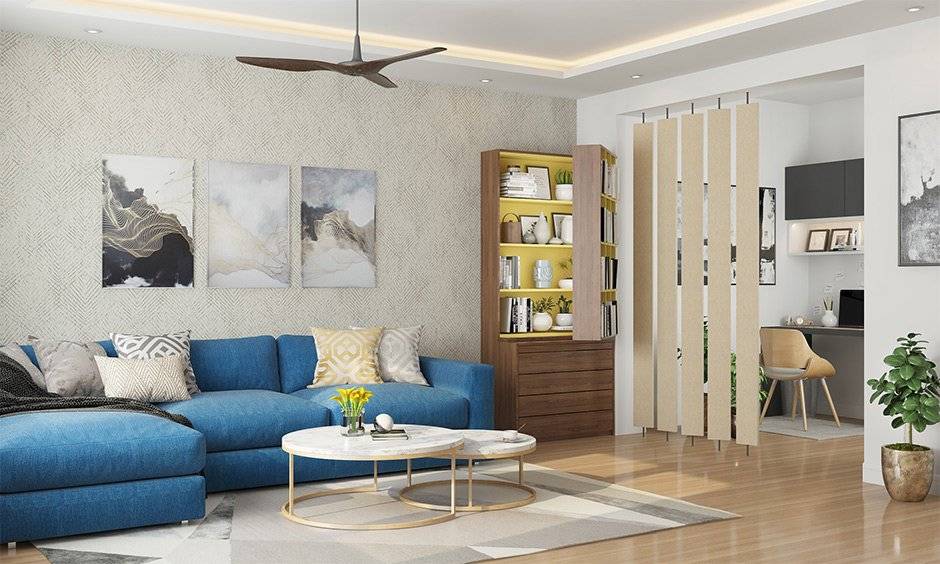

Creating a space that feels welcoming, stylish, and comfortable does not always require a massive renovation or a dramatic overhaul of your floor plan. Often, the most impactful changes come from strategic decorative updates that instantly elevate the atmosphere of a room. Whether you are preparing to put your property on the market or simply want to fall in love with your living space all over again, focusing on thoughtful design details can completely transform your environment.
A beautifully decorated home balances aesthetics with function, creating a visual flow that guides the eye and puts the mind at ease. By making intentional choices regarding your layout, lighting, and textiles, you can cultivate a high-end look that feels both curated and effortlessly lived-in. The following decor ideas will help you maximize your interior potential and breathe new life into your home.
Master the Art of Layered Lighting
Lighting is arguably the most critical element of interior design, yet it is frequently overlooked. A single overhead fixture often casts harsh, unappealing shadows that make a room feel flat and clinical. To instantly increase your home’s appeal, you must embrace layered lighting.
-
Ambient Lighting: This is your primary source of illumination. Instead of stark white bulbs, opt for warm white LED bulbs that mimic natural sunlight and make a room feel inviting.
-
Task Lighting: Incorporate structured lighting where specific activities take place. A sleek desk lamp in your office or under-cabinet lighting in the kitchen adds both function and sophisticated style.
-
Accent Lighting: Use lighting to highlight architectural features or artwork. Wall sconces, picture lights, and small table lamps draw attention to the most beautiful parts of your home.
Upgrading outdated builder-grade light fixtures to modern silhouettes, such as a statement chandelier in the dining room or sleek pendant lights over the kitchen island, serves as an immediate visual upgrade that commands attention.
Elevate Your Window Treatments
The way you dress your windows has a profound impact on the perceived size and height of a room. Many homeowners make the mistake of mounting curtain rods directly right above the window frame and purchasing panels that stop short of the floor. This visually truncates the wall and makes the ceiling feel much lower than it actually is.
To achieve a luxurious, custom look, mount your curtain rods close to the ceiling line and extend them a few inches past the width of the window frame. This technique creates the illusion of massive, sweeping windows and draws the eye upward. Choose substantial fabrics like medium-weight linen, rich velvet, or textured cotton. Ensure the fabric gently kisses the floor. Dropping the outdated plastic blinds in favor of woven wood shades paired with floor-length drapes adds incredible depth and warmth to any living space.
Anchor Rooms with Properly Sized Area Rugs
An area rug acts as the foundational anchor for your furniture, tying the entire room together. However, a rug that is too small will make a space feel disjointed and visually chaotic. A properly sized rug instantly grounds the room and defines the conversation area.
When selecting a rug for a living room, ensure that at least the front legs of all major furniture pieces sit comfortably on the fabric. In a dining room, the rug should be large enough that all chairs remain on the rug even when pulled away from the table. If you have a beautiful but small vintage rug that you want to feature, you can layer it over a larger, neutral jute or sisal rug. This layering technique adds immense texture and gives the room a professionally designed, high-end appearance.
Harness the Power of Strategic Mirrors
Mirrors are a designer’s secret weapon for making spaces feel larger, brighter, and more expansive. They reflect natural light around the room, instantly doubling the visual impact of your windows.
Instead of hanging a small mirror solely for checking your reflection, think of mirrors as architectural elements. Place a large, oversized floor mirror leaning against a wall in a dim hallway or tight bedroom to blow the space wide open. Position mirrors directly across from your largest windows to maximize the amount of daylight captured. Choosing the right frame is equally important. A heavily antiqued brass frame adds vintage charm, while a thin matte black metal frame offers a crisp, contemporary edge.
Curate a Cohesive Color Palette
A home feels most appealing when there is a sense of continuity from one room to the next. Walking from a bright blue bedroom into a dark red hallway can feel jarring and disconnected. You do not need to paint your entire house a single color, but establishing a cohesive color palette creates a harmonious flow.
Designers often rely on the classic color rule to balance a room effortlessly:
-
The Dominant Color: This should cover roughly sixty percent of the room, typically represented by your wall paint and large foundational furniture pieces like a sofa.
-
The Secondary Color: This takes up about thirty percent of the space, showing up in window treatments, area rugs, and accent chairs.
-
The Accent Color: The final ten percent is reserved for your boldest shade, introduced through throw pillows, artwork, and small decorative accessories.
By keeping your dominant and secondary colors relatively neutral and using your accent color to provide pops of personality, your home will look meticulously planned and highly sophisticated.
Invest in Large-Scale Art and Wall Decor
Blank walls can make a home feel unfinished, but cluttering a wall with dozens of tiny, mismatched picture frames can look messy and overwhelming. To instantly boost your home’s appeal, swap out small, disjointed pieces for large-scale statement artwork.
A single, oversized canvas or a coordinated triptych creates a strong focal point that grounds the room. Large art feels confident and intentional. If you are decorating on a budget, you can frame large pieces of textured fabric, vintage maps, or even high-resolution digital prints downloaded from museum archives. When hanging your art, ensure the center of the piece sits at eye level, which is generally fifty-seven to sixty inches from the floor. Hanging art too high is one of the most common decorating mistakes that disrupts the visual balance of a room.
Incorporate Organic Elements and Biophilic Design
Humans have an innate desire to connect with nature, and bringing organic elements indoors instantly makes a house feel vibrant and full of life. Biophilic design focuses on integrating the natural world into your living environment, which has been proven to reduce stress and improve mood.
Introduce a variety of houseplants tailored to your home’s lighting conditions. A large Ficus Audrey or a towering Bird of Paradise can fill an empty corner with lush greenery, while trailing Pothos plants look beautiful draped across floating shelves. If you do not have a green thumb, you can still achieve this appeal by incorporating natural textures. Decorating with organic materials like woven rattan baskets, raw wood accent tables, natural stone coasters, and fresh seasonal branches in a ceramic vase adds warmth and prevents a room from feeling too synthetic or mass-produced.
Upgrade Hardware and Fixtures
Sometimes the smallest details make the most significant impact. Builder-grade hardware in kitchens and bathrooms often looks generic and dated, dragging down the overall aesthetic of the space. Swapping out these minor elements is an inexpensive project that yields a high return on visual investment.
Replace standard chrome or plastic cabinet pulls with heavy, quality hardware. Brushed brass, polished nickel, and matte black are excellent choices that instantly modernize cabinetry. Do not stop at the kitchen drawers. Upgrading standard doorknobs to solid, well-crafted levers and replacing the bathroom faucet with a sleek, contemporary model makes the entire home feel custom-built. These tactile elements are things you touch every single day, and improving their weight and finish subtly communicates luxury and quality to anyone who enters your home.
Frequently Asked Questions
Does home fragrance actually impact the overall appeal of my decor?
Yes, scent is heavily tied to perception and memory. A home can look visually stunning, but if it smells musty or stale, the appeal drops immediately. Using subtle, continuous scent methods like reed diffusers or essential oil warmers in natural, woody, or citrus profiles enhances the luxurious feel of the space without overwhelming the senses.
How do I float furniture, and why is it recommended?
Floating furniture means pulling your seating arrangement away from the walls and toward the center of the room. This creates intimate conversation zones and improves traffic flow. Pushing all furniture flat against the walls often leaves a dead, empty space in the middle of the room and makes the layout feel like a waiting area rather than a cozy lounge.
Can I mix different wood tones in the same room?
Absolutely. Matching every piece of wood exactly can make a room look like a furniture showroom rather than a curated home. The key is to ensure the wood tones share a similar undertone, either warm or cool. Mixing a dark walnut coffee table with lighter white oak floors adds incredible depth and character to the space.
What is the best way to hide television cords and electronic wires?
Exposed cords instantly ruin a beautiful vignette. You can install simple cord-concealing tracks along the baseboards and paint them to match the wall. For wall-mounted televisions, feeding the cables behind the drywall is the cleanest option. Alternatively, grouping cords together using zip ties and hiding them behind solid decorative objects or inside stylish woven baskets keeps the visual field clean.
How do I choose a sofa fabric that is both beautiful and highly durable?
Look for performance fabrics, tightly woven tweeds, or top-grain leather. Performance velvets and treated linens are specifically engineered to resist stains and fading while maintaining a soft, luxurious hand feel. Checking the fabric rub count is vital. A rating of fifteen thousand double rubs or higher ensures the material will stand up to heavy daily use without pilling or tearing.
Should I paint my interior doors, or leave them white?
Painting interior doors a contrasting color is a fantastic way to add custom architectural interest. A deep charcoal, muted olive, or rich navy blue door against crisp neutral walls adds instant sophistication and hides daily smudges and fingerprints much better than a standard stark white door.
How does ceiling color affect the feeling of a room?
While most ceilings are painted flat white, treating the ceiling as the fifth wall can drastically alter the room’s mood. Painting the ceiling a shade lighter than the walls makes the room feel taller and more airy. Conversely, painting it a dark, rich color creates a cozy, enveloping atmosphere, which works beautifully in dining rooms or small libraries.

Comments are closed.