
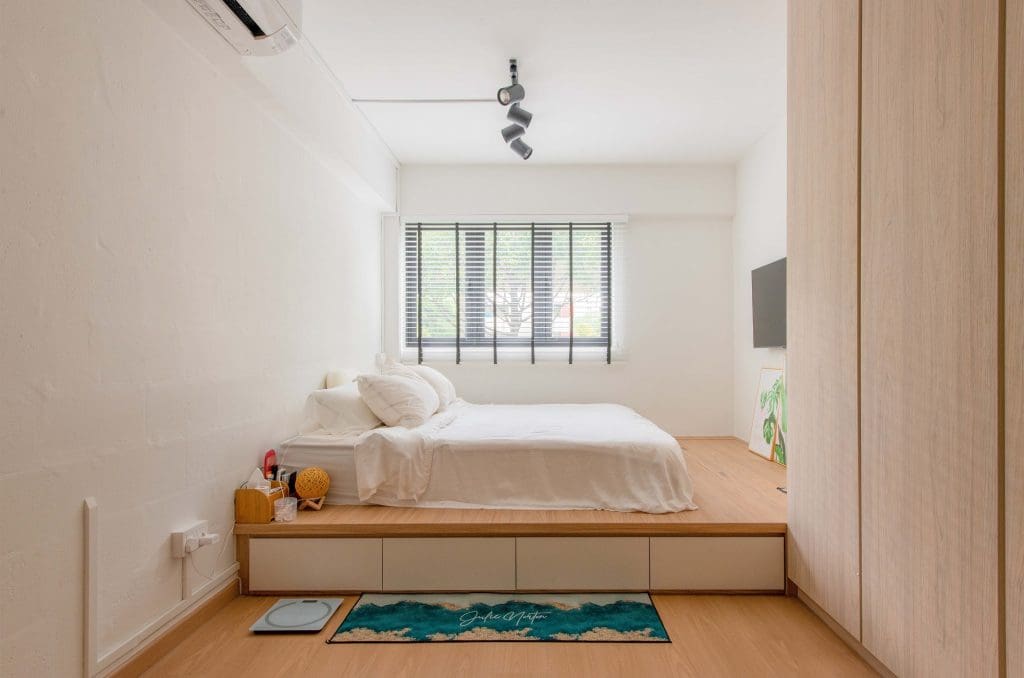

The bedroom is much more than just a space to sleep. It is a personal sanctuary, a place to unwind, recharge, and express individuality. The design, layout, and decor of a bedroom significantly influence comfort, well-being, and even productivity. Thoughtful bedroom design balances aesthetics, functionality, and wellness to create a space that supports both rest and daily routines.
The Importance of Bedroom Design
A well-designed bedroom affects physical and mental health. Research indicates that sleep quality and stress reduction are directly influenced by the bedroom environment. Factors such as lighting, furniture placement, noise control, and air quality all contribute to the overall effectiveness of a bedroom. Moreover, personalizing the space with decorative elements, such as original film posters, can allow infusion of personal passion into the room’s decor, making the space feel unique while providing a sense of comfort.
Key Benefits of a Thoughtful Bedroom
- Improved Sleep Quality: Proper mattress selection, lighting, and sound control facilitate deep, restorative sleep.
- Enhanced Mental Well-being: A tidy, aesthetically pleasing environment reduces stress and encourages relaxation.
- Optimized Functionality: Efficient layouts, storage solutions, and furniture placement increase usability and reduce clutter.
- Personal Expression: Bedroom decor reflects personal style, making the space uniquely inviting and comforting.
Planning Your Bedroom Layout
The foundation of bedroom design is an effective layout. Careful planning ensures the space feels open, functional, and harmonious.
Room Zoning
Creating zones in a bedroom can improve functionality and comfort:
- Sleep Zone: The bed should be the focal point and placed for easy access and optimal airflow.
- Storage Zone: Wardrobes, dressers, and closets should be strategically located to reduce clutter and streamline daily routines.
- Work or Study Zone: For multifunctional bedrooms, a dedicated desk area can support productivity without compromising relaxation.
- Relaxation Zone: Reading chairs, window seats, or meditation corners provide spaces for quiet activities.
Furniture Placement
- Position the bed with the headboard against a solid wall for stability and comfort.
- Ensure there is sufficient clearance around the bed for movement, ideally 24 inches on each side.
- Avoid placing the bed directly in line with the door, as this can create a sense of exposure and disrupt sleep.
- Align storage units along walls to maintain open floor space and prevent visual clutter.
Choosing Bedroom Furniture
Furniture selection defines both the style and usability of the bedroom. Quality, ergonomics, and aesthetics must all be considered.
Beds and Mattresses
- Bed Types: Platform beds, canopy beds, and upholstered beds offer different visual and functional appeal.
- Mattress Selection: Memory foam, hybrid, and innerspring mattresses support various sleeping preferences. Mattress firmness should align with individual body type and sleeping posture.
- Bed Size: Room dimensions dictate bed size; king or queen beds suit larger spaces, while twin or full beds are practical for smaller bedrooms.
Storage Solutions
Efficient storage prevents clutter and enhances the sense of calm:
- Wardrobes and Armoires: Sliding doors save space, while mirrored fronts enhance light and depth.
- Under-bed Storage: Drawers or lift-up bed frames maximize storage in compact rooms.
- Nightstands: Essential for nightly essentials, charging devices, and lighting.
- Dressers and Chests: Provide accessible storage for clothing and personal items, while contributing to overall decor.
Seating Options
- Window benches, accent chairs, or small sofas create reading or relaxation areas.
- Ottomans with built-in storage combine function with style.
Color and Aesthetic Considerations
Color selection profoundly impacts mood and perceived space.
Choosing the Right Palette
- Neutral Colors: Soft whites, beiges, and grays promote relaxation and flexibility in decor.
- Cool Colors: Blues and greens evoke calm and improve sleep quality.
- Warm Colors: Soft oranges, yellows, and earth tones can enhance coziness and intimacy.
- Accent Colors: Bold colors or patterns on walls, bedding, or accessories create visual interest without overwhelming the space.
Textures and Materials
- Bedding: Cotton, linen, and bamboo fabrics balance comfort, breathability, and durability.
- Furniture Finishes: Wood, metal, and upholstered pieces contribute tactile and visual variety.
- Flooring: Hardwood, carpet, or area rugs provide comfort underfoot and absorb sound for a quieter environment.
Lighting for Comfort and Functionality
Layered lighting enhances both aesthetics and usability:
- Ambient Lighting: Ceiling-mounted or recessed lighting provides overall illumination.
- Task Lighting: Reading lamps, desk lights, and bedside sconces support specific activities.
- Accent Lighting: LED strips, wall-mounted fixtures, or backlit mirrors highlight architectural features and decor.
- Natural Light: Large windows or skylights improve mood and support circadian rhythms. Window treatments such as blackout curtains or shades allow control over light levels.
Sound, Privacy, and Environmental Comfort
Bedrooms must support uninterrupted rest and personal privacy.
Acoustic Considerations
- Carpets, rugs, and heavy drapes absorb sound.
- Wall panels or upholstered headboards reduce noise transfer in shared or urban environments.
Climate Control
- Ceiling fans, space heaters, and smart thermostats maintain a consistent, comfortable temperature.
- Proper insulation, window treatments, and ventilation ensure air quality and reduce drafts or humidity.
Technology Integration in Modern Bedrooms
Smart bedrooms blend comfort, convenience, and energy efficiency:
- Smart Lighting: Adjustable color temperature and dimming options enhance mood and sleep cycles.
- Automated Climate Control: Smart thermostats maintain ideal temperature and humidity.
- Sound Systems: Integrated speakers or white noise machines improve relaxation and sleep quality.
- Smart Furniture: Beds with adjustable firmness or integrated charging stations combine function with innovation.
Wellness-Focused Bedroom Design
Increasingly, bedrooms are designed as wellness retreats:
- Ergonomics: Proper mattress and pillow support reduce back and neck strain.
- Indoor Plants: Improve air quality and introduce natural calming elements.
- Aromatherapy: Essential oils, diffusers, or scented candles create relaxing atmospheres.
- Minimalism: Reducing clutter promotes mental clarity and stress reduction.
Common Challenges in Bedroom Design
Designing a bedroom can pose several challenges:
- Limited space in urban apartments or shared rooms.
- Integrating storage without overwhelming the room visually.
- Balancing technology with a calm, sleep-friendly environment.
- Harmonizing personal style with functional requirements.
Bedroom Trends and Innovations
- Biophilic Design: Incorporating natural elements such as plants, wood finishes, and natural light.
- Multifunctional Bedrooms: Spaces that combine sleeping, work, and relaxation zones.
- Sustainable Materials: Eco-friendly fabrics, reclaimed wood, and low-VOC paints.
- Luxury Touches: Custom lighting, heated floors, and spa-like bathrooms adjacent to bedrooms.
- Smart Furniture and Decor: Beds, desks, and storage solutions that adapt to individual needs.
Bedroom Maintenance Tips
Maintaining a bedroom ensures both aesthetics and hygiene:
- Regular vacuuming and dusting prevent allergens.
- Wash bedding and curtains frequently to maintain freshness.
- Organize closets and storage spaces to reduce clutter and stress.
- Inspect furniture for wear and repair promptly to extend lifespan.
Conclusion
The bedroom is a vital personal space that supports physical, emotional, and mental well-being. Modern design prioritizes comfort, functionality, and style, blending innovative technologies, wellness principles, and aesthetic appeal. Thoughtful attention to layout, furniture, lighting, color, and materials creates a bedroom that is not only a place for sleep but also a sanctuary for relaxation and self-expression.
Frequently Asked Questions (FAQs)
1. How can I make a small bedroom feel more spacious?
Use light colors, mirrors, floating furniture, and minimal decor. Optimize vertical space with shelves and avoid bulky furniture.
2. What mattress type is best for different sleeping positions?
Memory foam is ideal for side sleepers, hybrid mattresses for back sleepers, and firmer innerspring mattresses suit stomach sleepers.
3. How can I improve bedroom air quality?
Introduce indoor plants, ensure proper ventilation, use air purifiers, and avoid excessive chemical-based cleaners or scented products.
4. What lighting setup is optimal for bedrooms?
Layered lighting with ambient, task, and accent layers ensures functional and mood-enhancing illumination. Consider dimmable and warm light sources.
5. How can I integrate technology without disturbing sleep?
Use smart devices with scheduled sleep modes, reduce blue light exposure, and keep electronic devices away from the bed.
6. What are some tips for sustainable bedroom design?
Choose energy-efficient lighting, organic or recycled fabrics, low-VOC paints, reclaimed wood furniture, and water-saving fixtures for connected en suite bathrooms.
7. How often should bedroom furniture and bedding be maintained?
Clean bedding weekly, vacuum or mop floors regularly, dust furniture at least once a week, and check for wear or damage every six months.
8. How do color and decor affect sleep and relaxation?
Cool, neutral tones promote calm, while bold, intense colors may stimulate energy. Soft textures and minimal clutter further enhance relaxation.

Comments are closed.