
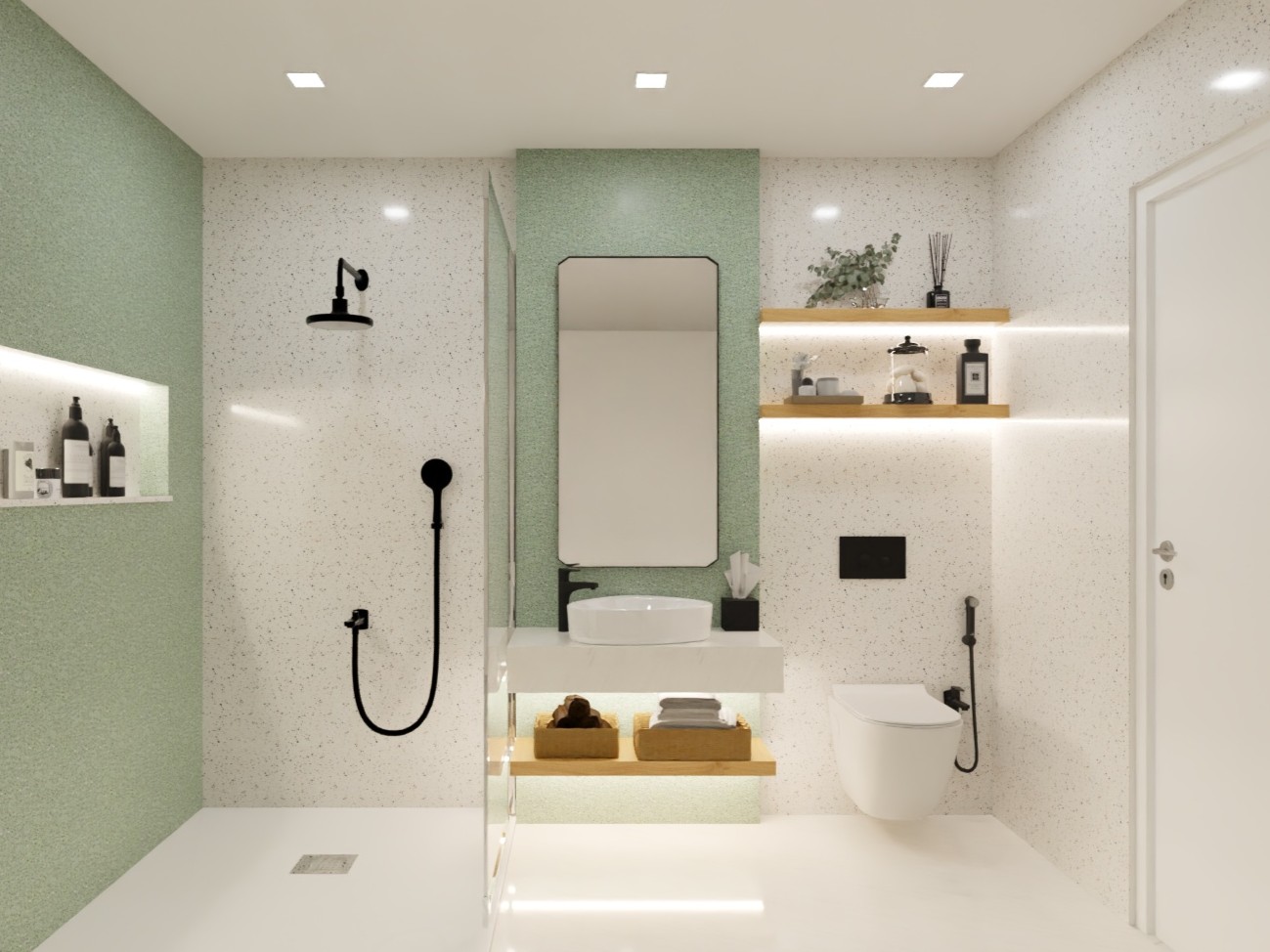

Bathrooms are among the most personal and functional spaces in a home, serving as a place for hygiene, relaxation, and daily routines. Beyond practicality, modern bathroom design has evolved to incorporate aesthetics, technology, and wellness. Creating an effective bathroom requires balancing spatial planning, material selection, lighting, and ergonomics to produce a space that is both beautiful and functional.
The Evolution of Bathroom Spaces
Bathrooms have a long and varied history, evolving from primitive wash areas to luxurious retreats that combine utility with indulgence.
Ancient and Historical Bathrooms
- Ancient Rome: Public baths, or thermae, were central to Roman social life. Bathhouses featured hot and cold rooms, communal spaces, and sophisticated plumbing systems, demonstrating early innovations in sanitation.
- Medieval Europe: Bathrooms were rare in homes. Hygiene was often maintained through chamber pots and public bathhouses, and sanitation knowledge was limited.
- 18th and 19th Century: The emergence of indoor plumbing transformed bathrooms into private spaces. Sinks, bathtubs, and toilets became fixtures in affluent homes, signaling social status and modernization.
Modern Bathroom Design
Contemporary bathrooms reflect technological advancements, wellness trends, and evolving lifestyle preferences. They integrate smart fixtures, ergonomic layouts, and environmentally responsible materials. Luxury bathrooms now often feature spa-like elements, such as rain showers, freestanding tubs, and heated floors.
Core Principles of Bathroom Design
Creating a bathroom that is both functional and visually appealing requires attention to design principles. Each aspect of the space should contribute to usability, comfort, and aesthetics.
Space Planning and Layout
Efficient layouts maximize usability in even the smallest areas. Common layout strategies include:
- Wet and Dry Zones: Separating shower and toilet areas from vanities enhances comfort and reduces moisture-related issues.
- Traffic Flow: Clear circulation paths prevent congestion and allow multiple users to navigate the space comfortably.
- Accessibility: Universal design principles ensure the bathroom is usable for all ages and abilities, including features like grab bars, low-threshold showers, and wider doorways.
Fixtures and Functional Components
Bathroom fixtures are central to both performance and style. Selecting the right components ensures durability, hygiene, and visual coherence.
- Toilets: Modern toilets feature low-flow technology to conserve water without sacrificing performance. Wall-mounted designs save space and simplify cleaning.
- Sinks and Vanities: Vanities provide storage while supporting functional tasks. Vessel sinks, undermount designs, and integrated countertops offer diverse aesthetic and ergonomic options.
- Showers and Bathtubs: Walk-in showers, soaking tubs, and freestanding tubs create versatile bathing experiences. Multi-jet shower panels and thermostatic valves enhance comfort and safety.
Material Selection
Material choice significantly impacts durability, maintenance, and overall aesthetic.
- Tile and Stone: Porcelain, ceramic, and natural stone provide water resistance, long-term durability, and design versatility. Patterns, textures, and finishes allow for unique visual expression.
- Countertops: Quartz, marble, and solid-surface materials balance elegance and resilience against moisture and staining.
- Flooring: Non-slip, water-resistant surfaces like porcelain, vinyl, and treated wood ensure safety and longevity.
Lighting Design
Lighting serves both functional and emotional purposes in a bathroom.
- Task Lighting: Essential around mirrors and vanities for grooming and personal care tasks. LED strips and adjustable fixtures provide even, shadow-free illumination.
- Ambient Lighting: Ceiling-mounted fixtures or recessed lights create overall brightness and a welcoming atmosphere.
- Accent Lighting: Highlights architectural features, artwork, or decorative elements, adding depth and sophistication.
- Natural Light: Skylights or strategically placed windows enhance ventilation, reduce mold risk, and provide a connection to the outdoors.
Ventilation and Air Quality
Proper ventilation is crucial to prevent moisture accumulation, mold, and odors.
- Exhaust Fans: High-capacity, energy-efficient fans remove humidity and improve indoor air quality.
- Natural Ventilation: Windows or vented openings facilitate airflow and reduce reliance on mechanical systems.
- Dehumidifiers: In regions with high humidity, dehumidifiers help maintain a comfortable environment and preserve materials.
Bathroom Styles and Trends
Modern bathrooms offer a wide range of design possibilities, reflecting both individual tastes and current trends.
Minimalist Bathrooms
Characterized by clean lines, neutral colors, and uncluttered spaces, minimalist bathrooms emphasize simplicity and functionality. Floating vanities, frameless glass showers, and concealed storage are common features.
Luxury Spa Bathrooms
Spa-inspired bathrooms focus on relaxation and sensory experiences. Key features include:
- Freestanding soaking tubs
- Rainfall showers with multiple jets
- Heated flooring and towel racks
- Aromatherapy diffusers and mood lighting
Smart Bathrooms
Technological integration enhances convenience and efficiency.
- Touchless faucets and toilets
- Digital shower controls
- LED mirrors with defogging features
- Smart water heaters and leak detection systems
Sustainable and Eco-Friendly Bathrooms
Environmental consciousness drives innovation in eco-friendly bathrooms.
- Low-flow faucets, showerheads, and toilets reduce water consumption.
- Recycled and renewable materials, including bamboo and recycled glass tiles, minimize environmental impact.
- Energy-efficient LED lighting and solar water heating systems lower energy usage.
Industrial and Urban Bathrooms
Exposed pipes, concrete finishes, and raw materials characterize industrial designs, offering a modern, edgy aesthetic often combined with urban loft or contemporary living spaces.
Maintenance and Hygiene Considerations
Maintaining a bathroom is critical for hygiene, longevity, and safety.
- Surface Cleaning: Non-porous surfaces reduce bacteria accumulation and simplify cleaning routines.
- Grout and Sealant Care: Regular inspection and maintenance prevent mold growth and water leakage.
- Fixture Upkeep: Periodic servicing of faucets, toilets, and shower systems ensures efficient operation.
- Air Quality Management: Keeping exhaust fans clean and filters replaced maintains ventilation performance.
Bathroom Accessories and Storage Solutions
Accessories enhance functionality and style, while effective storage prevents clutter.
- Cabinetry: Built-in or modular cabinets provide concealed storage for toiletries and linens.
- Shelving and Niches: Wall niches and floating shelves optimize space without compromising aesthetics.
- Mirrors: Functional mirrors with integrated storage or lighting improve convenience.
- Organizers: Drawer dividers, baskets, and hanging solutions streamline organization.
Psychological and Wellness Impact
Bathrooms influence mental well-being, relaxation, and stress management.
- Color Psychology: Light, neutral colors create a calming atmosphere, while bold tones energize or highlight specific areas.
- Aromatherapy: Essential oils or diffusers enhance relaxation and create a spa-like environment.
- Sound Control: Acoustic treatments or water features contribute to a serene, private space.
Challenges in Modern Bathroom Design
Designing a modern bathroom involves balancing multiple factors:
- Space limitations in urban apartments or historic homes
- Balancing aesthetics with safety, accessibility, and durability
- Integrating technology without overcomplicating the user experience
- Ensuring sustainability without compromising style or comfort
Future Trends in Bathroom Innovation
Emerging trends reflect lifestyle, technology, and environmental priorities.
- Biophilic Design: Incorporating natural elements like plants, stone, and water features enhances connection with nature.
- Adaptive Spaces: Modular and flexible layouts adapt to changing needs, including aging-in-place requirements.
- Water Conservation Technologies: Advanced systems measure and reduce water use while maintaining comfort.
- Integrated Wellness: Multifunctional bathrooms combine hygiene, relaxation, and personal care routines with spa-level features.
Conclusion
Bathrooms are dynamic spaces that go beyond mere functionality. Modern bathroom design merges aesthetics, wellness, and technology to create environments that enhance comfort, health, and personal satisfaction. By carefully considering layout, materials, lighting, and sustainability, homeowners and designers can craft bathrooms that are practical, visually appealing, and aligned with contemporary lifestyle demands.
Frequently Asked Questions (FAQs)
1. How can small bathrooms feel larger?
Using light colors, mirrors, floating vanities, and glass shower enclosures creates a sense of openness. Vertical storage and multi-functional furniture also maximize space efficiency.
2. What are the best materials for a bathroom countertop?
Quartz, solid-surface materials, and natural stone like granite or marble provide durability, water resistance, and aesthetic versatility. Non-porous materials reduce staining and microbial growth.
3. How can bathrooms be made more environmentally friendly?
Low-flow fixtures, recycled materials, energy-efficient lighting, solar water heating, and sustainable flooring options minimize environmental impact.
4. What is the ideal lighting setup for a bathroom?
A combination of task lighting around mirrors, ambient ceiling lighting, accent features for aesthetics, and natural light ensures a well-balanced and functional environment.
5. How do smart bathrooms improve daily routines?
Smart technologies like digital shower controls, touchless faucets, automated lighting, and temperature regulation increase convenience, hygiene, and energy efficiency.
6. How often should bathroom fixtures be maintained?
Regular cleaning should occur weekly, with inspections for leaks, grout, and caulking every 6–12 months. Professional servicing of complex systems like water heaters or smart controls is recommended annually.
7. What design elements enhance relaxation in a bathroom?
Freestanding tubs, rainfall showers, natural materials, soothing colors, ambient lighting, and aromatherapy elements contribute to a spa-like atmosphere.

Comments are closed.