
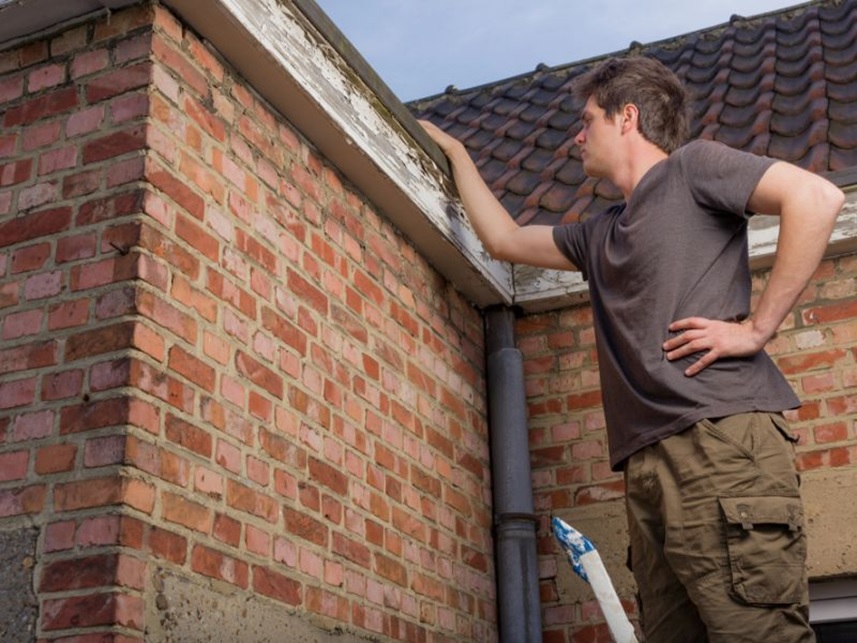

A roof can experience gradual changes without creating an obvious problem inside the home. Materials weather, flashing can deteriorate, debris may collect in drainage areas, and previous repairs can age differently from the surrounding roof. By the time a ceiling stain appears, the condition responsible for it may have been developing for some time. A professional roof inspection gives homeowners an opportunity to learn more about visible roof conditions before relying on an interior symptom to signal that something needs attention.
Homeowners looking for a gulf coast roof inspection can benefit from understanding what an inspector may be looking for and why individual observations should be considered in context. A roof is a complete system rather than a single surface, so its covering, penetrations, flashing, drainage components, and accessible interior areas can all contribute information about its current condition.
Start With the Roof Covering
The visible roof covering is an obvious place to begin, but homeowners should avoid reducing the entire evaluation to whether a few shingles or tiles look worn.
Different roofing materials show age and damage in different ways.
An inspection may document visible deterioration, displacement, missing materials, previous repairs, or other conditions that deserve attention. The significance of an observation can depend on its location, extent, and relationship to surrounding components.
This broader perspective is important because one isolated condition does not necessarily describe the performance of the entire roof.
Pay Attention to Flashing
Some of the most important roof areas are the transitions between different materials or structures.
Flashing may be present around chimneys, walls, vents, skylights, and other roof penetrations. These areas help manage water where a continuous roofing surface is interrupted.
During a roof inspection, visible flashing conditions can provide useful information about areas that may deserve maintenance or further evaluation.
Homeowners who know that flashing or another roof component has previously been repaired should keep those records available. Previous work can provide helpful context when reviewing current observations.
Look Closely at Roof Penetrations
Plumbing vents, exhaust vents, skylights, and other features can create openings through the roofing system.
These areas deserve attention because they introduce transitions where water needs to be properly managed.
For example, the U.S. Department of Energy’s Building Science Education program recommends examining skylights and surrounding roofing for signs of water infiltration and checking flashing and other water-management details.
The same general principle makes roof penetrations worth including in a broader evaluation rather than focusing only on the largest uninterrupted sections of roofing.
Do Not Forget the Roof Edges
Homeowners tend to look toward the middle of the roof, but the perimeter can also provide useful information.
Roof edges interact with fascia, gutters, drainage components, and other exterior materials.
Visible deterioration or displacement in these areas may deserve documentation.
Trees and vegetation near the roof should also be considered. Branches that contact or hang close to roofing materials can create maintenance concerns, while leaves and other debris may collect in drainage areas.
A wider exterior view can therefore add context to conditions observed directly on the roof.
Check How Water Leaves the Roof
A roofing system does not simply need to keep water from passing through the covering. It also needs to direct rainwater away appropriately.
Gutters, downspouts, valleys, and other drainage features can influence how water moves from the roof.
Debris accumulation may interfere with normal drainage, which is why these areas should not be overlooked.
Homeowners can observe drainage behavior from a safe location during rainfall. Overflowing gutters or water repeatedly appearing where it is not expected may provide useful information to discuss during an inspection.
Use the Attic for Additional Clues
When safely accessible, the attic can offer another perspective on roof-related conditions.
Visible staining, moisture-related changes, or other unusual conditions may provide information that cannot be seen from outside.
Ventilation and insulation may also be observable depending on the home’s construction and the scope of the inspection.
Homeowners should not attempt to walk through unfamiliar attic areas simply to investigate the roof themselves. Attics may have limited walking surfaces, exposed electrical components, or other hazards.
An inspection report can document accessible observations without requiring homeowners to navigate these areas on their own.
Consider the History of Previous Repairs
A repaired roof is not automatically a problematic roof.
Repairs are a normal part of home maintenance, particularly as a property ages and experiences changing weather conditions.
However, previous work can provide valuable context during a roof inspection.
If homeowners have invoices, warranties, permits, or information about previous leaks, they can keep these documents with their property records.
For buyers, seller-provided documentation can also help explain visible differences in materials or areas where previous work appears to have occurred.
Look Inside the Home Too
Roof-related observations are not limited to the roof and attic.
Ceilings and upper portions of walls may sometimes show staining, discoloration, peeling finishes, or other conditions that deserve further investigation.
These signs should not automatically be assumed to come from the roof. Plumbing, HVAC equipment, condensation, and other sources can also contribute to moisture-related symptoms.
This is why context matters.
The goal is to document observable conditions and determine whether additional evaluation is appropriate rather than diagnosing the source based on one stain.
Consider Recent Weather
Weather can provide useful context when evaluating a roof.
Strong wind, heavy rain, and other significant events may affect roofing materials or expose conditions that were not previously noticeable.
Homeowners should pay attention to changes after severe weather while avoiding unnecessary roof access.
Observations from the ground can still be useful. Missing or displaced materials, debris, or changes around gutters may indicate that a closer professional evaluation is appropriate.
Photographs can also help homeowners document visible changes over time.
Avoid Unnecessary DIY Roof Walking
Seeing something unusual does not mean homeowners should immediately climb onto the roof.
Roof surfaces can be slippery, steep, fragile, or otherwise unsafe. Walking on certain materials can also potentially cause damage.
A safer approach is to document what can be seen from the ground or another secure location and arrange appropriate professional evaluation when needed.
Binoculars or photographs taken from a safe position may help homeowners monitor visible conditions without unnecessarily putting themselves at risk.
Keep Inspection Findings for Future Comparison
One useful outcome of an inspection is documentation.
Photos and written observations create a record of conditions at a particular point in time. Those records can become more valuable later when homeowners want to determine whether something has changed.
Industry guidance from the Insurance Institute for Business & Home Safety also emphasizes documenting roof conditions and comparing them with prior information when available.
Homeowners can keep inspection reports alongside roofing invoices, warranties, and maintenance records to gradually build a clearer history of the property.
Know When Additional Evaluation Makes Sense
A roof inspection can identify and document observable conditions, but not every finding can be fully resolved through inspection alone.
Certain concerns may require further evaluation by an appropriate roofing professional or another specialist.
Homeowners should pay attention to recommendations in the completed report and ask questions if the significance of a finding is unclear.
Understanding what was observed, where it was located, and what next step was recommended can be more useful than simply categorizing every item as good or bad.
Learn More About the Roof Before Problems Grow
The absence of an active leak does not necessarily mean there is nothing worth observing. Roofing materials, flashing, penetrations, drainage components, and previous repairs can all change gradually as a home ages and encounters weather. A professional roof inspection can provide homeowners and buyers with a documented view of accessible conditions and identify areas that may deserve maintenance or additional evaluation.
For homeowners and buyers who want more information about the condition of a property’s roofing system, Gulf Coast Home Inspections can evaluate accessible areas and document relevant findings. Keeping those observations with the home’s maintenance records can also make it easier to recognize changes and make informed decisions about future roofing needs.

Comments are closed.