
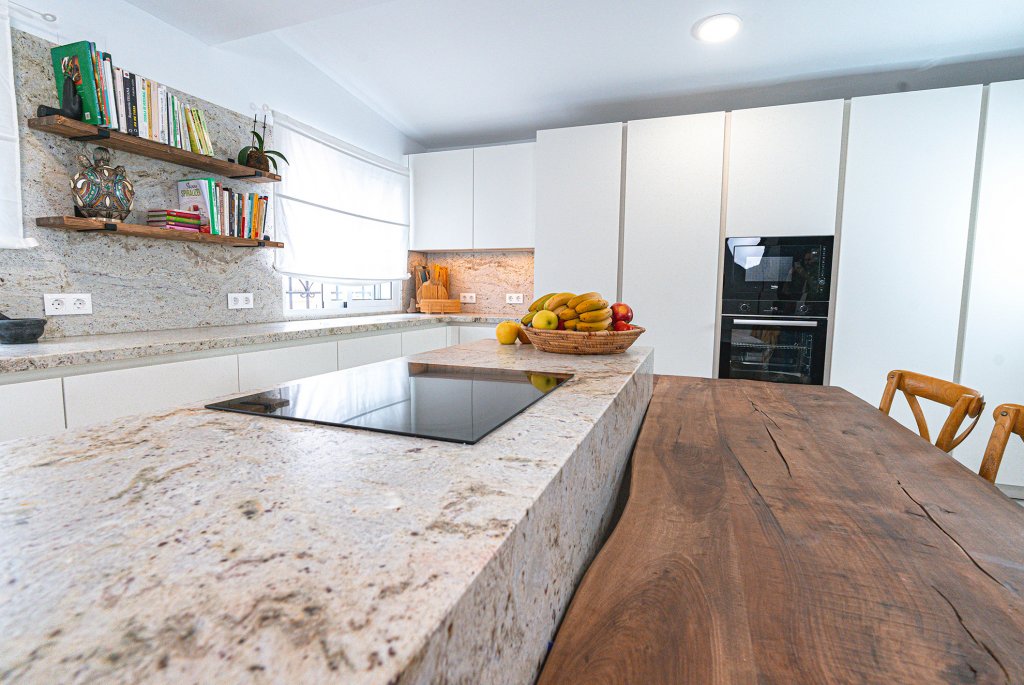

Understanding the Basics: What Makes Countertop Finishes Unique?
The Science Behind Surface Finishes
Countertop finishes are more than just a matter of aesthetics; they are the result of intricate scientific processes that influence the texture, durability, and overall functionality of the surface. This countertop finishes overview begins with an understanding of how different materials are formed, from the inherent properties of natural stones to the engineered techniques used in modern surfaces. For example, granite countertops are composed of crystalline structures developed over millions of years, giving them exceptional durability that is both visually appealing and practical. In contrast, engineered stones such as quartz are produced through controlled manufacturing processes in which crushed quartz is blended with resins and pigments, resulting in a surface that mimics natural stone while offering enhanced strength and consistency.
The final surface finish is achieved through methods such as sanding, polishing, and sealing, each of which affects both appearance and performance. Polishing enhances visual appeal while improving water resistance, helping to protect against stains and moisture-related damage. Alternatively, a honed finish creates a smooth, matte surface that provides a subtle, rustic character and better slip resistance, though it may require more frequent sealing to preserve its condition. By understanding these finishing techniques, homeowners can select a countertop that complements their design goals while also fulfilling everyday functional requirements.
Why Finish Choices Matter: Function Meets Aesthetics
Selecting the right finish for your countertops goes beyond mere visual appeal; it is essential for congruently marrying function with aesthetics. The finish can significantly influence how a countertop withstands daily wear and tear, and can even impact safety in high-traffic areas. For instance, a glossy finish can enhance light reflection and make a space feel larger, yet it may become slippery when wet, leading to potential accidents. Conversely, a matte finish offers a more subdued elegance, which can be beneficial in spaces where children or elderly individuals are present as it typically provides better grip.
Moreover, finishes can drastically change the perceived value of a home. Potential buyers often gravitate towards countertops that not only look beautiful but also promise longevity and ease of maintenance. Therefore, investing in high-quality finishes that stand the test of time can yield significant returns when selling a property. Choices in finishes can also affect resale value; certain finishes resonate more in specific markets, demonstrating the necessity to consider trends and preferences in your locale. Thus, understanding how to balance functional requirements with aesthetic desires is key to making informed decisions when selecting countertop finishes.
Natural Stone Countertops: The Timeless Beauty of Granite and Marble
The Elegance of Marble: A Closer Look at its Luxurious Appeal
Marble countertops are synonymous with elegance and luxury, often seen gracing the kitchens and bathrooms of high-end homes. This natural stone is cherished for its unique veining and color variations, which provide a classic beauty that no engineered product can replicate. Composed of recrystallized carbon, marble’s appealing surface is often polished to a high gloss, rendering it a stunning centerpiece in any room. Available in a wide spectrum of colors from the classic white Carrara to the deep greens of Verde Alpi marble caters to diverse aesthetic preferences, easily blending with both contemporary and traditional designs.
However, despite its luxurious appeal, marble does come with certain caveats. It is more porous than granite, which makes it susceptible to staining from acidic substances such as lemon juice and vinegar. Regular sealing is necessary to maintain its appearance and functionality over time. With proper care, including gentle cleaning with pH-neutral solutions and avoidance of abrasive materials, homeowners can preserve the beauty of marble. Additionally, using coasters and cutting boards can prevent unsightly marks and scratches, ensuring that your elegant marble countertops continue to impress for years to come.
Granite vs. Quartz: A Debate Among Homeowners and Designers
The granite versus quartz debate has become a mainstay in home renovation discussions, each material offering distinct advantages that cater to different preferences and lifestyles. Granite is celebrated for its durability and natural beauty, as each slab is unique due to its geological formation. It is resistant to heat and scratching, making it a favored choice among chefs and avid home cooks. However, its porous nature may require regular sealing to prevent staining, a consideration for potential buyers who may not be as diligent in maintenance.
In contrast, quartz countertops have risen significantly in popularity due to their engineered nature, which allows for a range of colors and designs while maintaining unbeatable durability. Made primarily from crushed quartz mixed with resins, quartz surfaces offer consistency that is not achievable with natural stone, appealing to those who prefer a uniform appearance. Additionally, quartz is non-porous, making it a more hygienic surface as it is less likely to harbor harmful bacteria. The low maintenance requirement, primarily just soap and water, makes it ideal for busy families and individuals.
Ultimately, the choice between granite and quartz hinges on personal preferences regarding aesthetics, upkeep, and functionality. Homeowners need to weigh the long-term implications of their choice, considering both the immediate visual impact and the upkeep that comes with each material.
Embracing Modern Materials: The Rise of Engineered Finishes
Understanding Quartz: The Perfect Blend of Style and Durability
Quartz countertops have emerged as a formidable player in the countertop industry, combining the advantages of natural stone with advanced technology. The use of 90% to 95% crushed natural quartz combined with resins, polymers, and pigments lends these surfaces exceptional strength and flexibility. This engineering process allows for captivating designs that include everything from marble-like patterns to vibrant colors often unattainable with natural stone. With a lower risk of chipping and scratching, quartz provides a practical option without sacrificing aesthetic appeal.
One major draw of quartz countertops is their non-porous nature, contributing to superior hygiene standards, especially in areas like kitchens and bathrooms where cleanliness is paramount. Unlike granite or marble, quartz does not require sealing, significantly lowering maintenance efforts for homeowners. Cleaning is a breeze, requiring just mild soap and water, which is an attractive feature for busy individuals. As homeowners are becoming increasingly health-conscious, the hypoallergenic properties of quartz are a significant advantage, making it a preferred choice for families with small children or allergies.
Concrete Countertops: An Industrial Chic Option for Modern Homes
Concrete countertops are rapidly gaining traction among homeowners looking to embrace a modern, industrial aesthetic in their dwellings. Once relegated to commercial spaces, concrete has found its way into residential kitchens and bathrooms as a customizable and stylish option. The unique characteristic of concrete is its versatility; colors and textures can be tailored to meet specific design needs, allowing for creative expression that few other materials can offer. Each concrete countertop is uniquely crafted, with options for aggregates, dyes, and finishing techniques that can yield stunning visual effects.
Aside from its distinctive look, concrete is incredibly durable. Properly sealed concrete countertops can withstand heat and resistance to stains, though they require careful maintenance to prevent moisture problems. It is crucial to use sealants designed for concrete to help enhance its resilience against spills and prevent cracking. Homeowners often appreciate the eco-friendly aspect of concrete, as it can be fabricated with recycled materials or combined with sustainably-sourced aggregates, making it a popular choice for environmentally conscious renovators. Furthermore, concrete can provide the warmth and feel of natural stone while contributing strikingly to a modern design aesthetic, thus serving as both a functional surface and an artistic element in the home.
Finishing Touches: Maintenance Tips for Longevity and Shine
Sealing, Polishing, and Cleaning: Keeping Your Countertops Pristine
Regardless of the material you choose for your countertops, proper maintenance is crucial for preserving their beauty and functionality. The importance of sealing cannot be overstated, especially for porous materials like granite and marble. Regular sealing helps to create a barrier that prevents spills from penetrating the stone, which is essential for maintaining its visual appeal and preventing stains. In most cases, it is recommended to seal your granite or marble countertops at least once a year; however, signs that a countertop needs sealing can include water not beading on the surface or a dull appearance. Homeowners should use a high-quality penetrating sealer designed specifically for their type of stone to achieve the best results.
Polishing is another essential process that enhances the shine and aesthetic value of countertops. A polished surface not only looks elegant but also makes cleaning a breeze, as it prevents dirt and grime from settling in tiny crevices. Specialized polishing compounds suitable for natural stones can be employed to refresh the surface, though caution should be taken to avoid abrasive cleaners that can damage the stone. Regular cleaning should involve gentle, non-abrasive cleaners that will not harm the finish, ensuring long-lasting beauty for the countertops.
Eco-Friendly Finishes: Sustainable Choices for the Conscious Homeowner
As sustainability becomes a core focus of contemporary living, eco-friendly countertop finishes have gained traction among environmentally conscious homeowners. Many manufacturers are now producing countertop materials from recycled products or sustainable sources, providing options that meld style with ecological responsibility. For instance, recycled glass countertops utilize waste glass materials bound into a polymer resin, creating bright and unique surfaces imbued with a distinct character. This environmentally-friendly choice vastly reduces waste while allowing homeowners to express their creativity through color and form.
Another eco-conscious option is bamboo, a rapidly renewable material that provides an organic, warm appeal. Bamboo countertops are not only sustainable but also boast natural antibacterial properties, making them a sound choice for food prep areas. For those looking for a more unconventional solution, paperstone, which utilizes recycled paper products and a proprietary resin, offers another sustainable alternative with a unique look and feel. Homeowners who embrace these eco-friendly finishes can achieve beautiful designs that reflect aesthetic values while remaining conscious of their impact on the planet.

Comments are closed.