
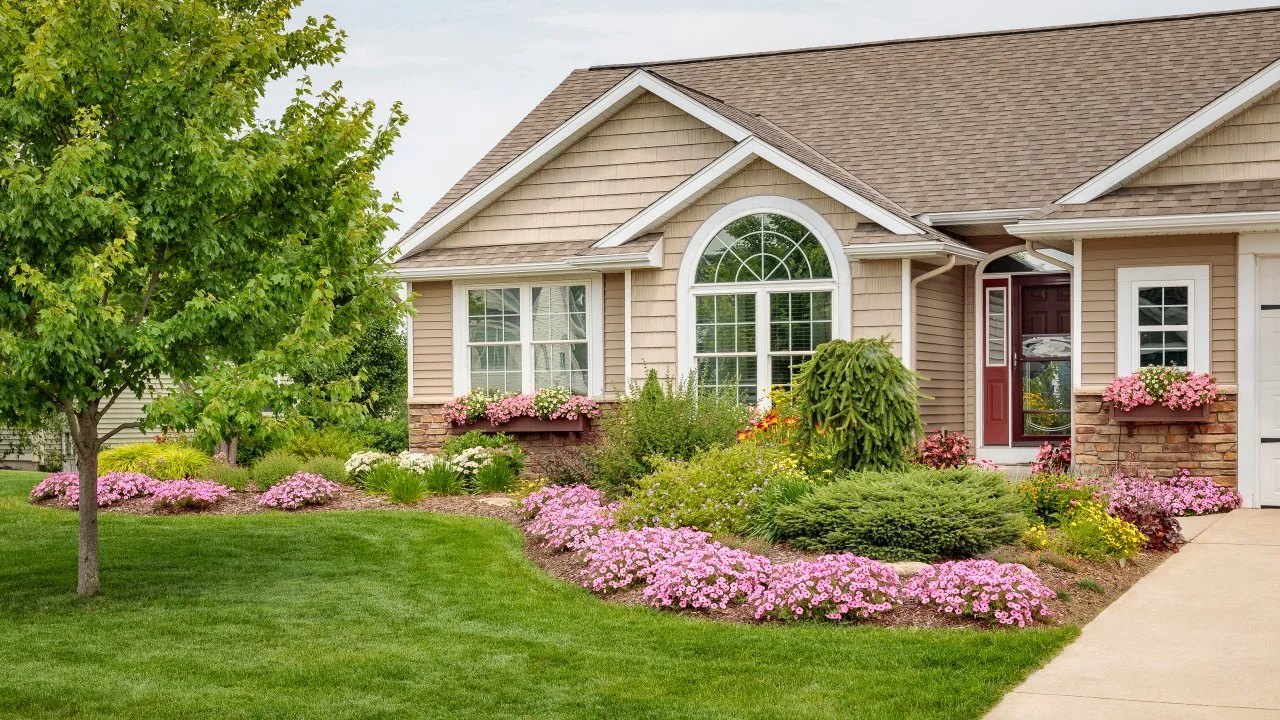

Designing a home landscape that is beautiful and functional often comes with a lot of work, from frequent watering and mowing to pruning and pest control. However, it is possible to create a stunning outdoor space without spending every weekend tending to it. A low-maintenance home landscaping plan focuses on selecting the right plants, materials, and layouts that require minimal upkeep while still enhancing the beauty and value of the property. Thoughtful planning allows homeowners to enjoy their yard and outdoor spaces without feeling overwhelmed by constant maintenance.
Planning and Designing for Simplicity
The first step in creating a low-maintenance home landscaping plan is thoughtful design. Start by assessing your property’s layout, sunlight patterns, soil type, and natural features. Understanding these factors allows you to choose plants and landscaping elements that thrive in your environment with minimal intervention. A well-designed layout also reduces the need for frequent upkeep by grouping plants with similar watering and sunlight needs together, creating efficient zones.
Hardscape features, such as pathways, patios, retaining walls, and gravel beds, are essential components of a low-maintenance landscape. These elements not only enhance aesthetics but also reduce areas that require regular care, such as lawns or delicate flower beds. By combining hardscape and plantings strategically, homeowners can enjoy visually appealing outdoor spaces that are practical and easy to maintain.
Choosing native plants and drought-tolerant species is another important part of a low-maintenance design. These plants are adapted to local conditions and require less water, fertilizer, and attention than non-native varieties. Incorporating perennials that return each year and shrubs that retain their structure through seasons also minimizes replanting and pruning tasks, allowing the landscape to remain attractive with minimal effort.
Efficient Irrigation and Mulching Techniques
Watering is often one of the most time-consuming aspects of home landscaping. A low-maintenance plan incorporates efficient irrigation systems and proper soil management to reduce the need for manual watering. Drip irrigation systems, for example, deliver water directly to the roots of plants, conserving water and ensuring healthier growth. Timers and smart irrigation controllers can further simplify maintenance by automating watering schedules based on weather conditions and soil moisture levels.
Mulching is another technique that supports low-maintenance landscaping. A layer of organic or inorganic mulch helps retain soil moisture, suppress weeds, and regulate soil temperature. By reducing weed growth and protecting plant roots, mulch decreases the frequency of weeding and watering tasks. It also adds a polished look to garden beds, making the landscape appear well-maintained with minimal effort.
Ground covers can serve a similar purpose, covering bare soil and limiting weeds while adding visual interest. Using low-growing plants or decorative gravel in strategic areas creates a balance between greenery and functional surfaces, maintaining beauty without increasing maintenance requirements.
Selecting Low-Maintenance Plants and Materials
Plant selection is a cornerstone of a low-maintenance home landscaping plan. Perennials, ornamental grasses, and evergreen shrubs are ideal choices because they maintain their form and color with minimal care. Grouping plants with similar water, light, and soil requirements together ensures they thrive with less attention. Choosing plants that are naturally resistant to pests and diseases reduces the need for chemical treatments and monitoring.
In addition to plant selection, using durable materials for hardscaping is essential for reducing maintenance. Stones, pavers, composite decking, and weather-resistant wood require less upkeep than traditional lawns or delicate wooden features. These materials provide structure and visual appeal while minimizing the effort needed to keep the space looking polished. By combining these durable elements with hardy plants, a landscape can remain attractive year-round with very little intervention.
Planning for Seasonal Changes and Growth
Even a low-maintenance landscape requires some planning for seasonal changes and plant growth. Understanding how plants evolve over time helps prevent overcrowding and excessive pruning. Using a variety of textures, colors, and heights ensures the landscape retains interest throughout the year, even with minimal work.
Planting slow-growing species reduces the need for frequent trimming, while careful spacing allows each plant room to flourish without encroaching on others. Choosing perennials that bloom at different times ensures continuous color and variety, making the yard look vibrant without constant effort. Additionally, planning for shade, sunlight, and drainage patterns helps maintain plant health and prevents common problems such as root rot, disease, or soil erosion.
By integrating features such as raised beds, rock gardens, and native plant clusters, homeowners can achieve a balanced design that maximizes visual impact while minimizing upkeep. Low-maintenance home landscaping is about working with nature rather than against it, creating a sustainable and manageable outdoor environment.
A successful low-maintenance landscape allows homeowners to enjoy the outdoors without feeling burdened by upkeep. Thoughtful design, efficient irrigation, careful plant selection, and durable materials all contribute to a space that is both functional and aesthetically pleasing. By combining these strategies, a home landscaping plan can reduce time spent on maintenance while still enhancing curb appeal, property value, and overall enjoyment of the yard.
Ultimately, low-maintenance home landscaping is about creating harmony between beauty and practicality. Each decision, from layout and plant selection to irrigation and hardscape design, should focus on reducing effort while maximizing enjoyment. With careful planning and the right choices, homeowners can achieve a stunning outdoor environment that is both manageable and inviting throughout the year.

Comments are closed.