
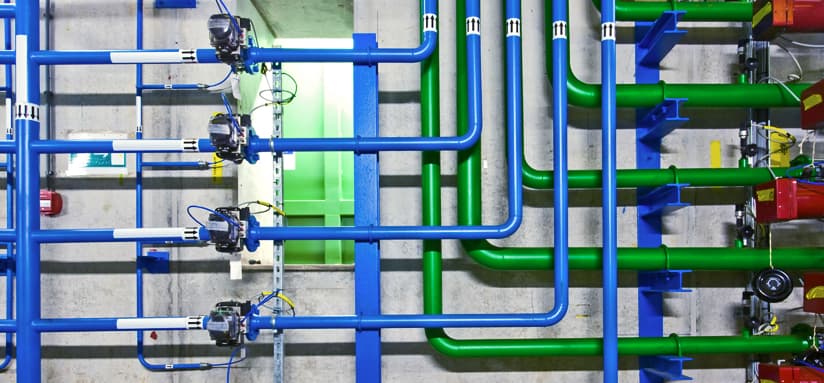

Plumbing is the system of pipes, fixtures, and appliances installed for the distribution of water for drinking, heating, and washing, as well as the removal of waterborne wastes. At its core, plumbing involves two primary subsystems: water supply and drainage. Each system operates based on distinct principles but functions collaboratively to ensure the safe and efficient flow of water throughout a property.
Water Supply System
The water supply system delivers potable water to homes and businesses through a network of pipes, valves, and fittings. Key components include:
- Pipes and Tubing: Traditionally, plumbing pipes were made of copper, galvanized steel, or cast iron, but modern systems increasingly use PVC, PEX, or CPVC for durability, corrosion resistance, and ease of installation.
- Valves: Valves regulate water flow, pressure, and direction. Common types include gate valves, ball valves, and pressure-reducing valves.
- Fittings and Connectors: Fittings, such as elbows, tees, and couplings, allow directional changes and connections between pipes.
- Water Meters and Pressure Regulators: Water meters track consumption, while pressure regulators maintain consistent water pressure to prevent damage to pipes and fixtures.
Water supply plumbing must also comply with local building codes and water quality standards to ensure the water remains safe for consumption.
Drainage and Waste Systems
The drainage system, also known as sanitary plumbing, removes wastewater and sewage from buildings. Proper drainage prevents health hazards and ensures environmental protection. Components include:
- Drain Pipes: Usually made of PVC or cast iron, drain pipes carry wastewater away from fixtures and appliances to municipal sewage systems or septic tanks.
- Traps and Vent Pipes: Traps prevent sewer gases from entering living spaces, while vents maintain air pressure within the drainage system to facilitate smooth water flow.
- Sewer Lines: Main sewer lines collect waste from multiple fixtures and transport it to municipal treatment facilities or private septic systems.
Efficient drainage relies on correct pipe sizing, gradient angles, and material selection to prevent blockages and slow drainage.
Modern Plumbing Techniques and Practices
With advances in materials and installation practices, modern plumbing has become more efficient, reliable, and environmentally friendly. These techniques focus on durability, cost-effectiveness, and compliance with regulatory standards.
Pipe Materials and Their Applications
Different plumbing applications require different pipe materials. Understanding these materials can help in selecting the most suitable option for specific needs:
- Copper Pipes: Known for longevity and resistance to corrosion, copper pipes are commonly used in both hot and cold water lines. They are durable but require professional soldering during installation.
- PEX (Cross-linked Polyethylene): Flexible, cost-effective, and easy to install, PEX pipes are increasingly popular in residential water supply systems. They resist freezing and do not corrode.
- PVC (Polyvinyl Chloride): Used primarily for drainage and cold water lines, PVC is lightweight and easy to handle but should not be used for hot water applications.
- CPVC (Chlorinated Polyvinyl Chloride): Suitable for hot and cold water supply, CPVC combines the benefits of PVC with the ability to withstand higher temperatures.
Installation Best Practices
Proper installation is critical to prevent leaks, water damage, and system failure. Some recommended practices include:
- Accurate Pipe Sizing: Oversized or undersized pipes can affect water pressure and flow efficiency.
- Secure Fittings: Using proper fittings and seals prevents leaks and ensures system integrity.
- Slope Compliance for Drainage: Drain pipes must have the correct slope to allow wastewater to flow efficiently by gravity.
- Accessibility: Valves, cleanouts, and junctions should be accessible for maintenance and emergency repairs.
Maintenance and Preventive Care
Regular maintenance prolongs the lifespan of plumbing systems and prevents costly emergencies. Key strategies include:
- Routine Inspections: Checking for leaks, corrosion, and pipe integrity helps catch small issues before they escalate.
- Drain Cleaning: Regular clearing of drains and traps prevents clogs and backups.
- Water Heater Maintenance: Flushing tanks, inspecting valves, and checking temperature settings enhance performance and safety.
- Pipe Insulation: Insulating pipes reduces heat loss and prevents freezing in colder climates.
Energy Efficiency and Sustainability in Plumbing
Modern plumbing increasingly integrates energy-efficient and environmentally conscious technologies. These advancements contribute to resource conservation and reduce utility costs.
Low-Flow Fixtures
Installing low-flow toilets, faucets, and showerheads reduces water consumption without compromising functionality. Advanced designs optimize water pressure while minimizing wastage.
Water Recycling Systems
Gray water systems reuse water from showers, sinks, and laundry for irrigation and toilet flushing, significantly lowering overall water usage in residential and commercial settings.
Tankless Water Heaters
Unlike traditional tank heaters, tankless water heaters provide hot water on demand, eliminating standby energy losses and reducing the risk of water contamination due to stagnation.
Leak Detection and Smart Plumbing
Smart plumbing technologies detect leaks in real time, allowing property owners to address issues quickly and avoid water damage. Sensors, automated shutoff valves, and app-controlled monitoring are increasingly standard in modern installations.
Common Plumbing Challenges
Despite technological advancements, plumbing systems face several persistent challenges. Awareness of these issues allows for proactive management.
- Pipe Corrosion and Scaling: Hard water, chemical reactions, and aging materials can lead to pipe deterioration and mineral buildup.
- Blockages and Clogs: Hair, grease, and foreign objects often cause drainage issues requiring mechanical or chemical intervention.
- Water Pressure Fluctuations: Inadequate sizing, shared municipal supply lines, and valve malfunctions can result in inconsistent pressure.
- Emergency Failures: Burst pipes or sewer backups can cause significant property damage and health risks if not addressed promptly.
Plumbing in Commercial vs. Residential Settings
While residential plumbing focuses primarily on water delivery and waste removal for individual homes, commercial plumbing involves more complex systems and higher demand loads. Key differences include:
- Scale: Commercial properties require larger pipe diameters and multiple fixtures to support high occupant counts.
- Regulatory Compliance: Commercial plumbing must meet stricter building codes, safety standards, and environmental regulations.
- Specialized Systems: Industrial kitchens, laboratories, and healthcare facilities often require specialized water treatment, filtration, and drainage systems.
- Maintenance Complexity: Larger systems require more frequent inspections, professional service contracts, and emergency preparedness plans.
Emerging Trends in Plumbing
The plumbing industry continues to evolve with technology, environmental awareness, and changing consumer needs. Some notable trends include:
- Smart Home Integration: IoT devices allow homeowners to monitor water usage, detect leaks, and control appliances remotely.
- Eco-Friendly Materials: Biodegradable and recyclable materials reduce environmental impact in pipe manufacturing and installation.
- Water Conservation Incentives: Local governments and utilities encourage sustainable plumbing practices through rebates and educational programs.
- Automation and Robotics: Automated pipe inspection and robotic cleaning systems enhance maintenance efficiency and accuracy.
FAQs About Plumbing
What is the difference between PEX and PVC pipes in plumbing applications?
PEX is flexible and suitable for both hot and cold water supply, making it ideal for residential water lines. PVC is rigid and primarily used for drainage systems and cold water lines due to its inability to withstand high temperatures.
How often should I have my plumbing system inspected?
Professional inspections are recommended at least once a year for residential systems and twice a year for commercial properties. Regular monitoring helps identify leaks, corrosion, and pressure issues before they escalate.
What causes low water pressure in a home?
Low water pressure can result from clogged pipes, leaks, improper pipe sizing, or municipal supply issues. A professional plumber can diagnose and correct the root cause efficiently.
Are tankless water heaters more efficient than traditional ones?
Yes, tankless water heaters provide hot water on demand, avoiding standby energy loss associated with conventional storage tanks, which reduces energy consumption and water waste.
Can plumbing systems be upgraded for sustainability without major renovations?
Yes, installing low-flow fixtures, retrofitting appliances, adding water-saving aerators, and integrating leak detection systems can enhance sustainability without significant structural changes.
How can I prevent pipe freezing during winter?
Insulating exposed pipes, maintaining indoor temperatures above freezing, and using heat tape for vulnerable areas are effective strategies to prevent pipe freezing.
Plumbing is a foundational component of any modern structure, blending engineering precision with practical necessity. From water supply and waste removal to energy efficiency and sustainability, understanding plumbing in detail empowers property owners, professionals, and engineers to optimize system performance, reduce risks, and embrace modern innovations. Mastery of plumbing principles not only safeguards infrastructure but also contributes to environmental stewardship and resource conservation.

Comments are closed.