
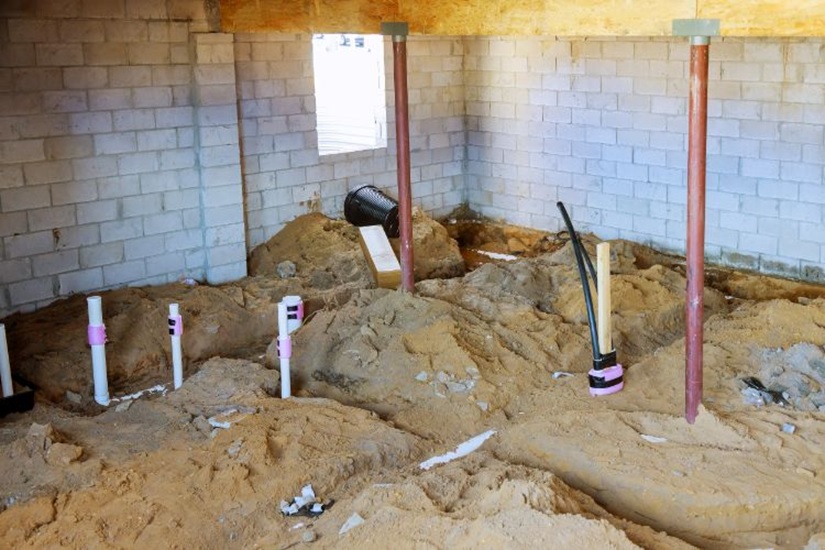

Your crawl space might not be the most visible part of your home, but it plays a big role in your property’s overall health. When moisture enters this space and ventilation is poor, mold can quickly take hold. Over time, that mold can spread through the air into your living areas, causing health issues and structural damage.
Homeowners exploring crawl space repair in Dayton, Ohio, often discover that mold is one of the first and most persistent signs of a deeper problem. This blog will explore how crawl space conditions contribute to mold growth, the risks involved, and how proper repairs help prevent future outbreaks.
Why Crawl Spaces Are Vulnerable to Mold
Crawl spaces are usually dark, damp, and rarely checked. That combination makes them ideal for mold growth. Here’s why these spaces often develop issues:
- Excess moisture from poor drainage or groundwater seepage.
- High humidity due to a lack of air circulation.
- Leaky HVAC ducts or plumbing running through the crawl space.
- Organic materials like wood joists, subflooring, or insulation.
Mold spores are everywhere in the environment, but only grow in the right conditions. A crawl space that stays damp or humid for extended periods gives mold exactly what it needs to thrive.
Signs of Mold in the Crawl Space
Mold often develops out of sight, so it’s important to recognize the early symptoms that something is wrong below your floors. These include:
- A persistent musty smell throughout the home.
- Allergic reactions such as sneezing, coughing, or watery eyes.
- Warped or sagging floors.
- Increased humidity in your living space.
- Visible black, white, or green patches in the crawl space.
Even if you can’t see the mold, these symptoms often point to excess moisture in the crawl space—an issue that proper crawl space repairs can correct.
How Mold Impacts Your Home
Mold is more than just an inconvenience. Over time, it can compromise the air quality in your home, cause wood rot in structural components, and contribute to pest infestations.
In homes without vapor barriers or sealed vents, mold spores from the crawl space can be pulled up through the floor and distributed through the HVAC system. This process is known as the “stack effect.” It’s common in Dayton homes with aging foundations or poor insulation.
Addressing mold quickly helps protect your family’s health and your home’s long-term stability.
The Role of Crawl Space Repairs in Mold Prevention
Professional crawl space repairs can eliminate the conditions that allow mold to grow. Here’s how:
Moisture Control
Water is the biggest contributor to mold. Crawl space repairs typically include:
- Installing vapor barriers to block moisture from the soil.
- Improving exterior drainage to divert water away from the foundation.
- Sealing crawl space vents to keep out humid outdoor air.
- Fixing leaks in plumbing or HVAC systems.
These improvements help maintain a dry environment, making it harder for mold to take hold.
Encapsulation
Encapsulation is one of the most effective forms of crawl space repair. It involves sealing the entire crawl space—walls, floor, and vents—with a thick plastic liner. This method locks out moisture and regulates humidity, often with the help of a dehumidifier.
Encapsulated crawl spaces stay cleaner, drier, and mold-free for much longer than untreated areas.
Structural Repairs
In some cases, mold has already begun to damage support beams or joists. Crawl space repair may also involve:
- Replacing water-damaged wood.
- Reinforcing weakened supports.
- Treating surfaces with mold inhibitors.
Repairing the damage stops the spread of mold and restores structural stability.
Dayton-Specific Risks for Crawl Spaces
Homes in Dayton face unique risks due to weather and soil conditions. Frequent rainfall, snowmelt periods, and clay-heavy soil can lead to consistent moisture buildup around the foundation. If your home doesn’t have proper grading, water may pool near the crawl space, increasing the risk of mold.
Crawl space repair in Dayton Ohio, often begins with assessing how water enters the area and creating a plan to seal it off. That could include re-grading the yard, extending downspouts, or installing a perimeter drainage system.
Long-Term Benefits of Repairing a Moldy Crawl Space
Repairing a crawl space impacted by mold offers several advantages:
- Healthier indoor air quality for you and your family.
- Lower energy bills from improved insulation and humidity control.
- Protection from pests like termites and rodents that are attracted to moist environments.
- Higher home value due to improved structural integrity.
Preventative repairs not only solve mold problems but also make your home more efficient and comfortable year-round.
When to Call a Professional
If you’ve noticed signs of mold or excessive moisture under your home, it’s time to call in an expert. A qualified contractor can inspect your crawl space, identify water sources, and recommend a repair strategy tailored to your home’s needs.
Avoid DIY mold cleanup without proper containment and protective gear—it may disturb spores and worsen the problem. Professional services ensure safe removal and long-term prevention.
Conclusion
Mold in the crawl space isn’t just a nuisance—it’s a sign that your home needs attention. Left untreated, it can lead to serious health and structural problems. Fortunately, crawl space repairs offer a reliable way to remove existing mold and prevent it from returning.
If you’re dealing with moisture or air quality issues under your home, contact the Dayton Basement Waterproofing Experts team. Their experienced professionals provide customized crawl space repair in Dayton, Ohio, keeping your home dry, healthy, and mold-free for the long haul.

Comments are closed.